“The test of a walkable town is not whether you can walk. It is whether you do it on a Tuesday when nothing is happening.”
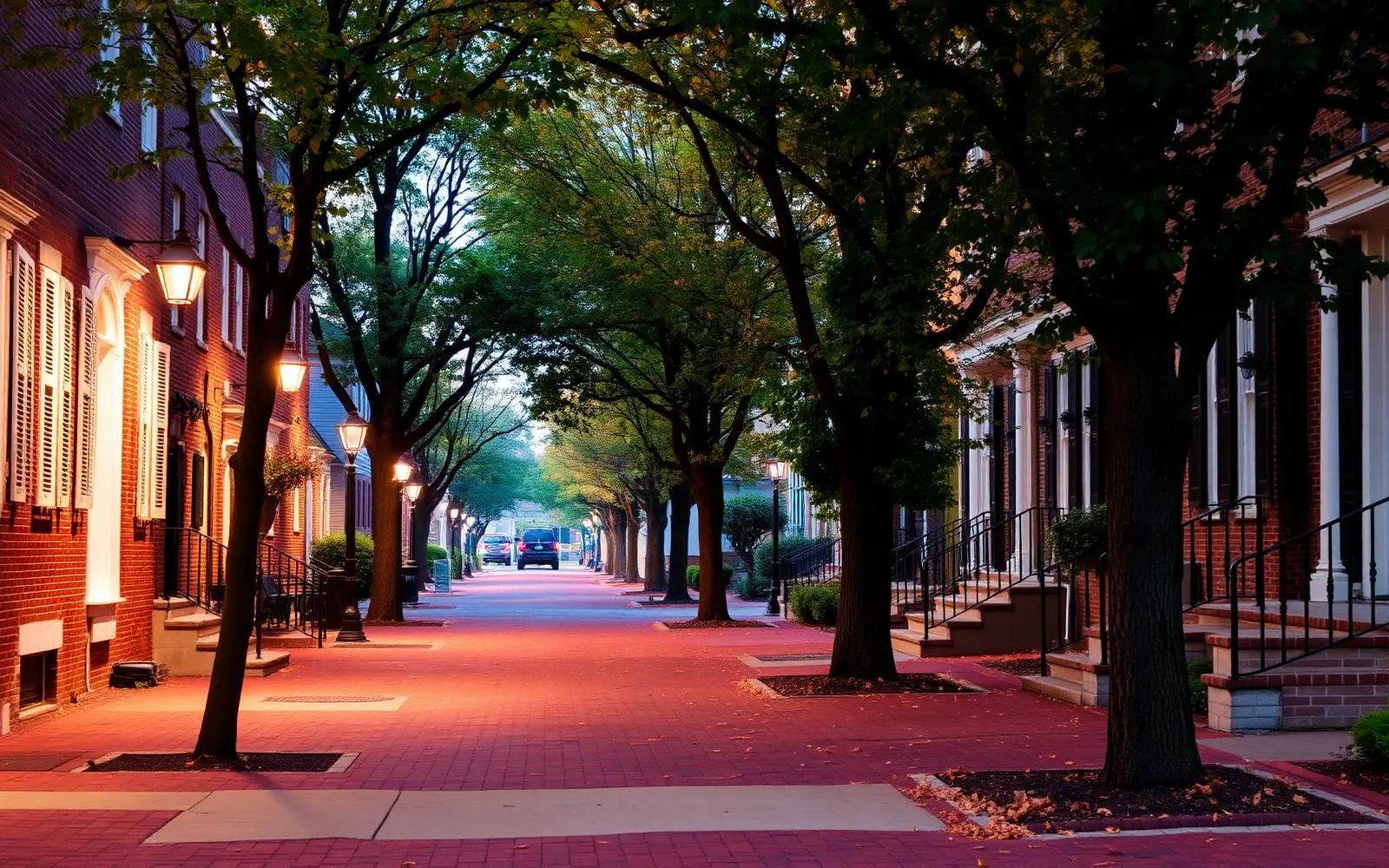
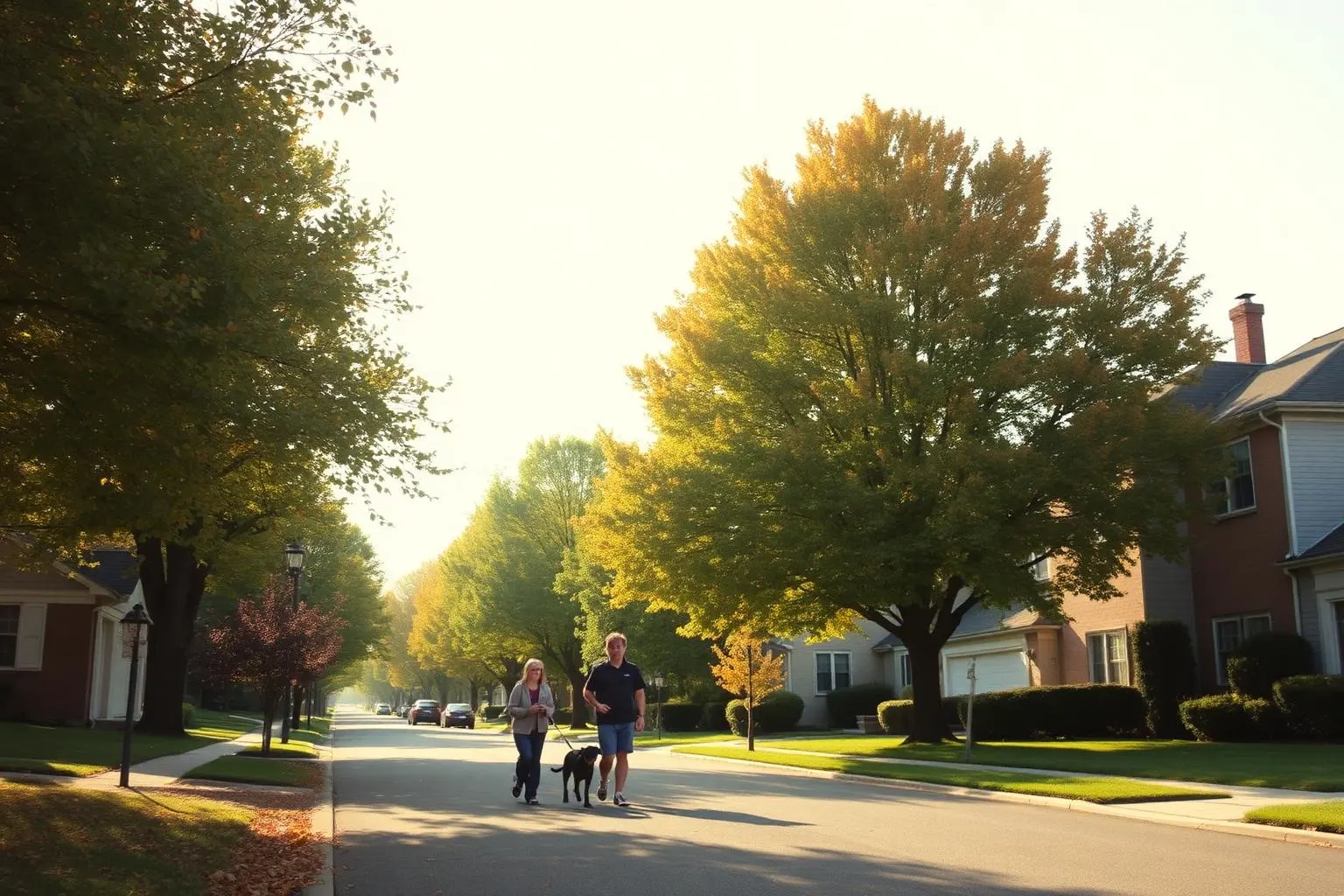
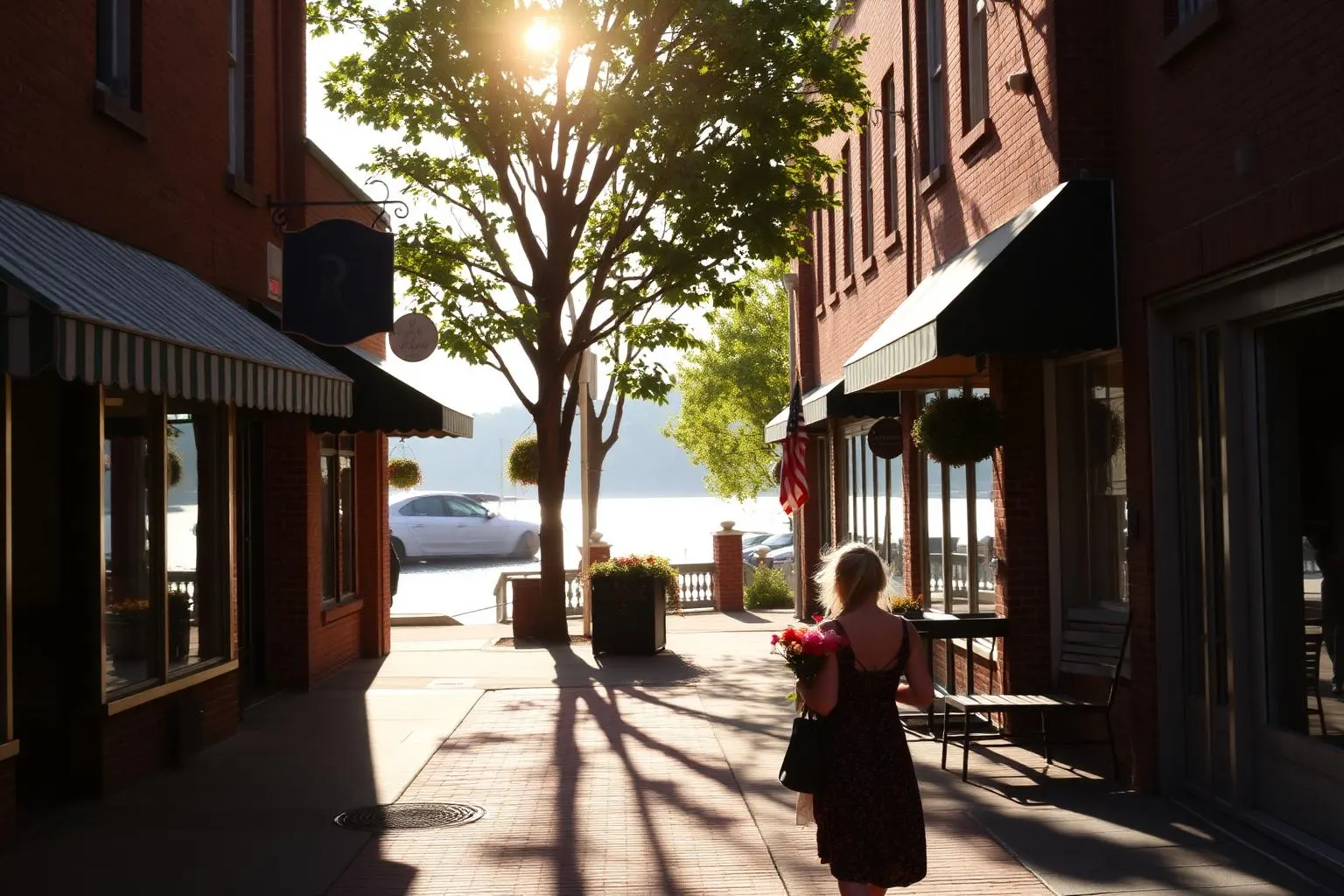
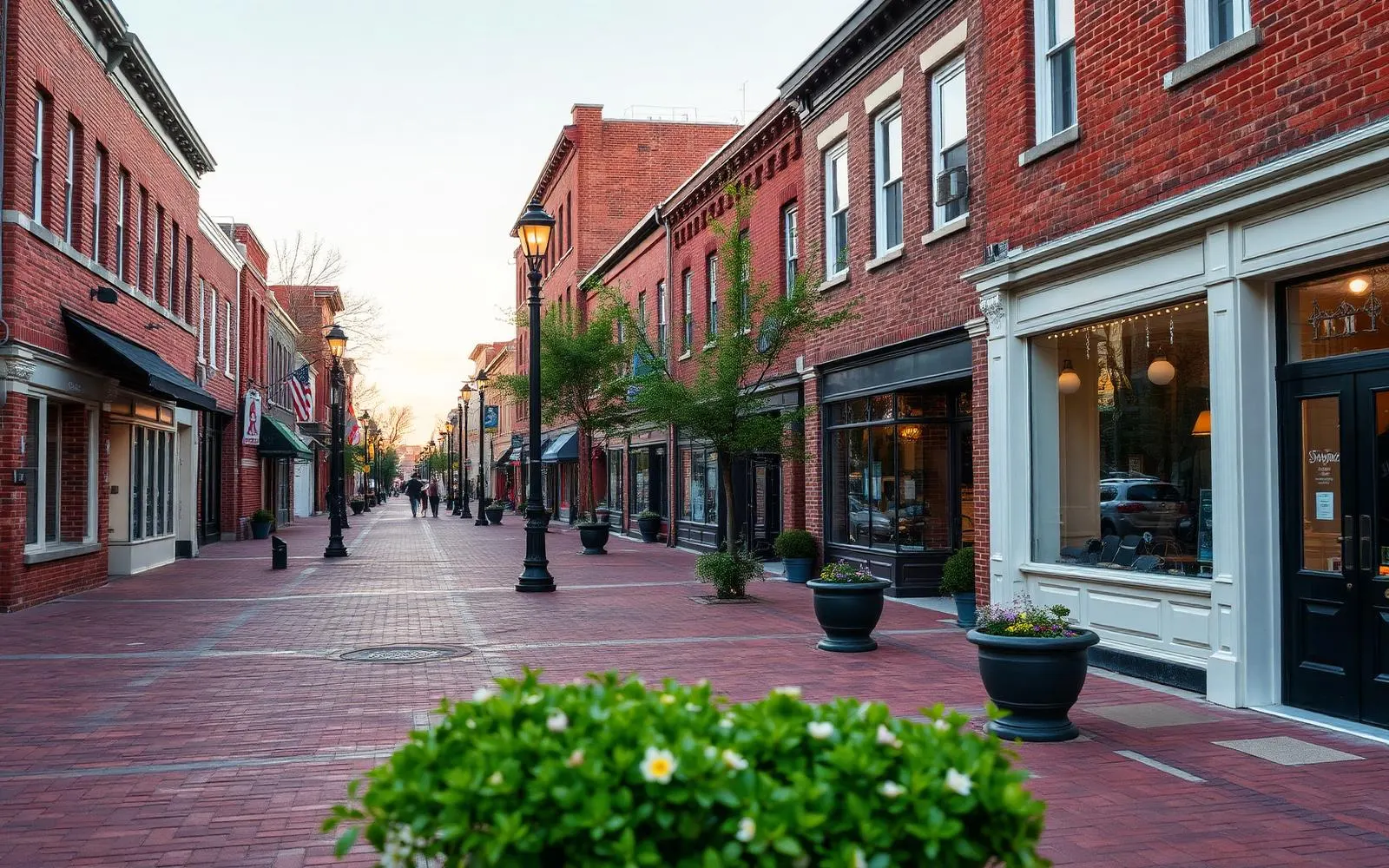
A Tuesday in late May, about a quarter after seven. The shops on Main Street have mostly closed and the sidewalks have not emptied. Two women are walking fast, in conversation, in the direction of the park. A man is carrying a pizza box and a child's scooter at the same time. Somebody's dog has stopped dead in the middle of the brick and is refusing to continue. Nothing is happening. That is the whole point of the evening, and it is the most useful thing you can see in this town.
Lititz gets written about constantly, and almost always in the register of the charming day trip. That version is accurate and incomplete. A visitor gets the pretty half mile. A resident gets the other parts: parking on a Saturday in December, the school line at three o'clock, the sound the park makes in August when the pool is full.
This is an attempt at the resident version. The borough sits about eight miles north of Lancaster city, was settled by Moravians in the middle of the eighteenth century, and has kept an unusually intact walkable center for a town its size. Nearly everything below follows from those three facts.
The walking is real, and it has an edge
The historic core is walkable in the plain, unromantic sense: the sidewalks connect, the blocks are short enough to stay interesting, and there is something worth arriving at in both directions. From much of the older housing stock you can be on Main Street in ten or fifteen minutes on foot, and people are, in real numbers, on ordinary weekday evenings.
That walkability has a boundary, and it is worth finding on a map before you fall for a listing. Move outward into the newer subdivisions and the pattern becomes the one familiar everywhere else in the county: wider roads, longer distances, a car for everything including a gallon of milk. When people say they want to live in Lititz, they very often mean a specific and fairly small set of blocks, and they do not always know it yet.
Gathering places, in the plural
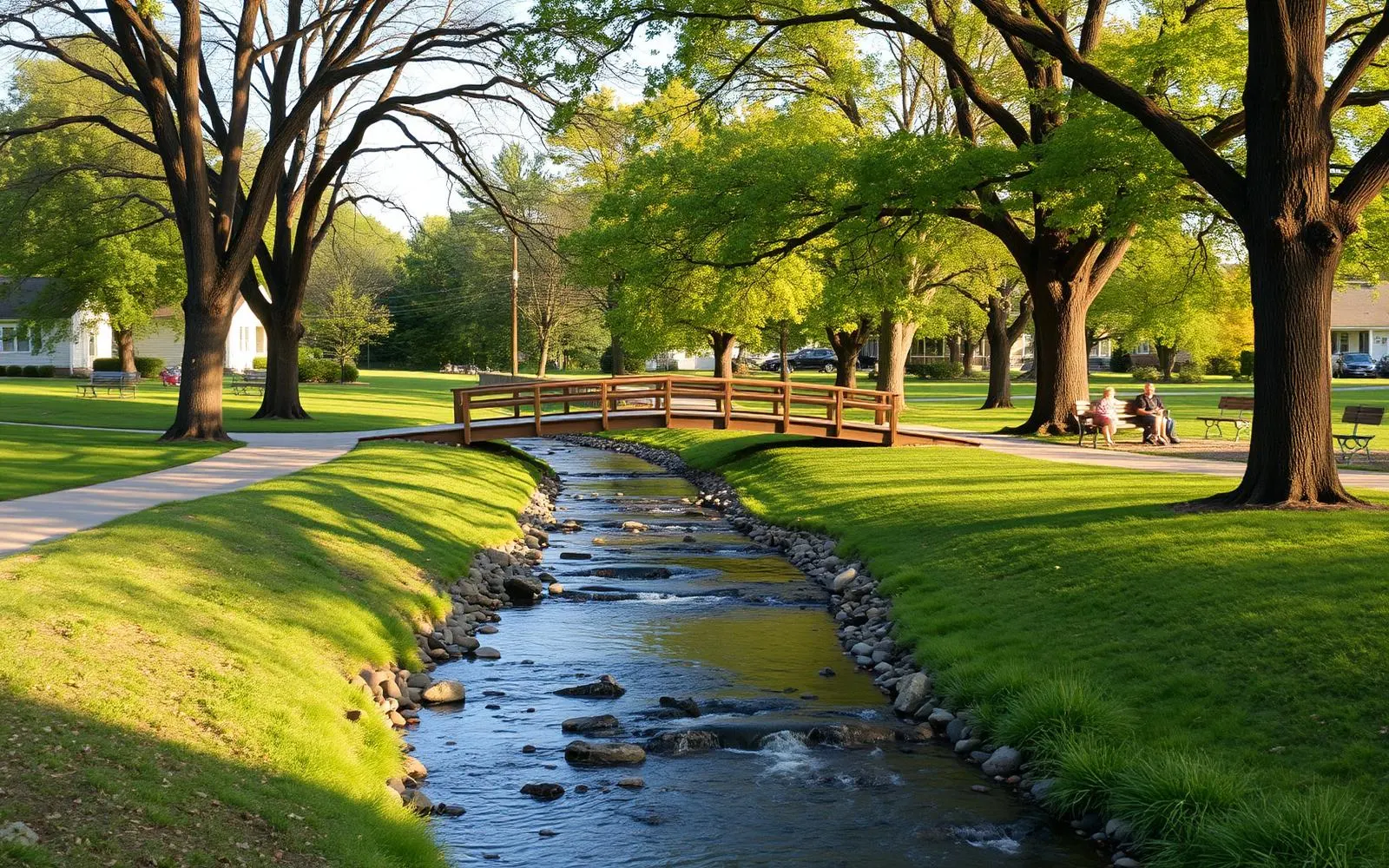
A town center works when it offers more than one kind of place to be. Lititz has a spring fed park sitting right at the edge of the business district, a long standing main street of independent shops and restaurants, a public library, churches with deep local roots, and an industrial history that still anchors how the place understands itself. The Julius Sturgis Pretzel Bakery on East Main, established in 1861, is generally described as the first commercial pretzel bakery in the country. The town leans into the story without being swallowed by it, which is harder than it sounds.
The park is the part that changes daily life. A green space three minutes from the shops means that an errand can turn into an evening without anyone planning it, and that is the mechanism by which small towns stay social.
The parts nobody photographs
Parking is the honest complaint. On a summer festival weekend, and through the holiday season, the center fills and residents adjust their habits around it. Three o'clock on a school day rearranges several streets. And the same intact historic housing that makes the place lovely comes with the maintenance profile of intact historic housing, which is a subject a buyer should walk into with clear eyes rather than discover in the second February.
How to test the place yourself
- Visit on a Tuesday evening in a plain month, not on a festival weekend.
- Park where you would actually park if you lived there, then walk the route to Main Street.
- Stand on a block at three in the afternoon on a school day.
- Walk the same block after dark and count the lit windows.
Towns reveal themselves in their ordinary hours. This one holds up unusually well in those hours, and on a Tuesday in May, with the light going and the sidewalk still busy for no particular reason, that is the most honest thing anyone can say for it.
What to take from this
- The walkability is concentrated in the historic core; newer edges are car dependent.
- A park beside the business district is the feature that makes evenings social.
- Peak visitor weekends and holiday season shape resident habits, especially parking.
- Test any town on an ordinary Tuesday, not on its best weekend.
The Journal is written for people thinking about homes, not just financing them. Articles are educational and reflect general observation about Pennsylvania housing, architecture, and daily life. Nothing here is an offer to lend, a commitment to a rate, or an appraisal of any particular property. Corie Adams, NMLS #1875205. Network Funding, LP, NMLS #2297. Equal Housing Opportunity.