“Buy in June, learn the house in February.”
There is a particular hour in the second week of February, around four thirty in the afternoon, when a Pennsylvania house stops pretending. The light is already going. The furnace has been running most of the day. If you stand in the middle of an upstairs bedroom in your socks you will feel, along the floor near the outside wall, a slow cold current that was not there in October and will be gone in April, and that current is telling you something specific about the house you bought in June.
Every house here is two houses. The June house, with the windows open and the yard doing all the work of making it lovely. And the February house, where the heating system, the insulation, the window seals, and the roof are all being examined at the same time by the weather.
What February reveals
- Cold rooms, which usually mean duct balance or insulation rather than a failing furnace.
- Ice dams at the eaves, which mean heat is escaping into the attic and melting the snow from underneath.
- Condensation on the inside of the windows, which means humidity and air sealing are out of balance.
- Drafts at the outlets on exterior walls, among the cheapest things to fix and the most reliably ignored.
- The actual heating cost, which is rarely what the seasonal averages on the disclosure implied.
The seasonal rhythm
Spring is for gutters, grading, and getting on the roof while the weather is mild. Summer is for exterior paint, masonry, and anything that needs to cure. Autumn is for heating service, chimney work, and clearing the drainage paths before the leaves fill them in. Winter is for the interior work that can happen while everything outside waits, and for making a list of what February just told you.
A house does not need a lot of maintenance. It needs the right maintenance in the right month.
The reserve
A common planning figure is somewhere near one percent of the home's value each year, held aside rather than spent on schedule. Some years you spend nothing at all and feel clever. Then the water heater and the roof arrive in the same spring, as they seem to enjoy doing. On an older house the number runs higher, and that is simply one of the honest costs of living inside something beautiful and two centuries old.
Energy work worth doing
Air sealing before insulation, insulation before windows, windows before mechanical upgrades. That order returns more comfort per dollar than any other sequence, and it is very nearly the reverse of the order most homeowners follow, because the reverse order is the one that shows.
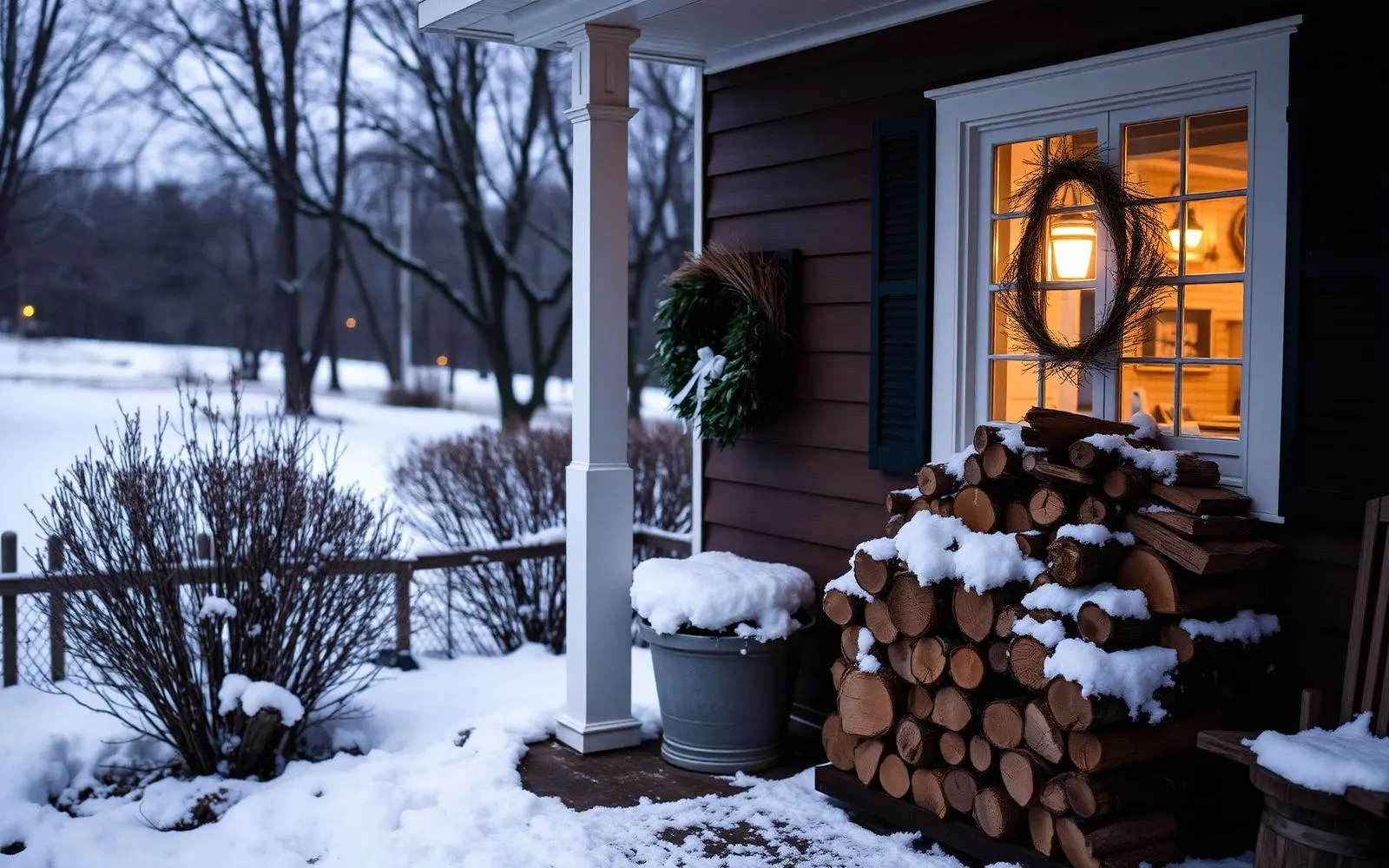
The reward for all of it arrives at the end of the same month. A clear night, snow still on the porch roof, the house holding its heat, and a lit window seen from the driveway as you come up it. That is the whole argument. A house that is honest with you in February is a house you can keep.
What to take from this
- Ask for actual winter utility bills, not seasonal averages.
- Ice dams and cold rooms are insulation problems more often than equipment problems.
- Keep roughly one percent of home value per year as a maintenance reserve, more for older homes.
- Air seal first, insulate second, replace windows third.
Where to go next
The Journal is written for people thinking about homes, not just financing them. Articles are educational and reflect general observation about Pennsylvania housing, architecture, and daily life. Nothing here is an offer to lend, a commitment to a rate, or an appraisal of any particular property. Corie Adams, NMLS #1875205. Network Funding, LP, NMLS #2297. Equal Housing Opportunity.