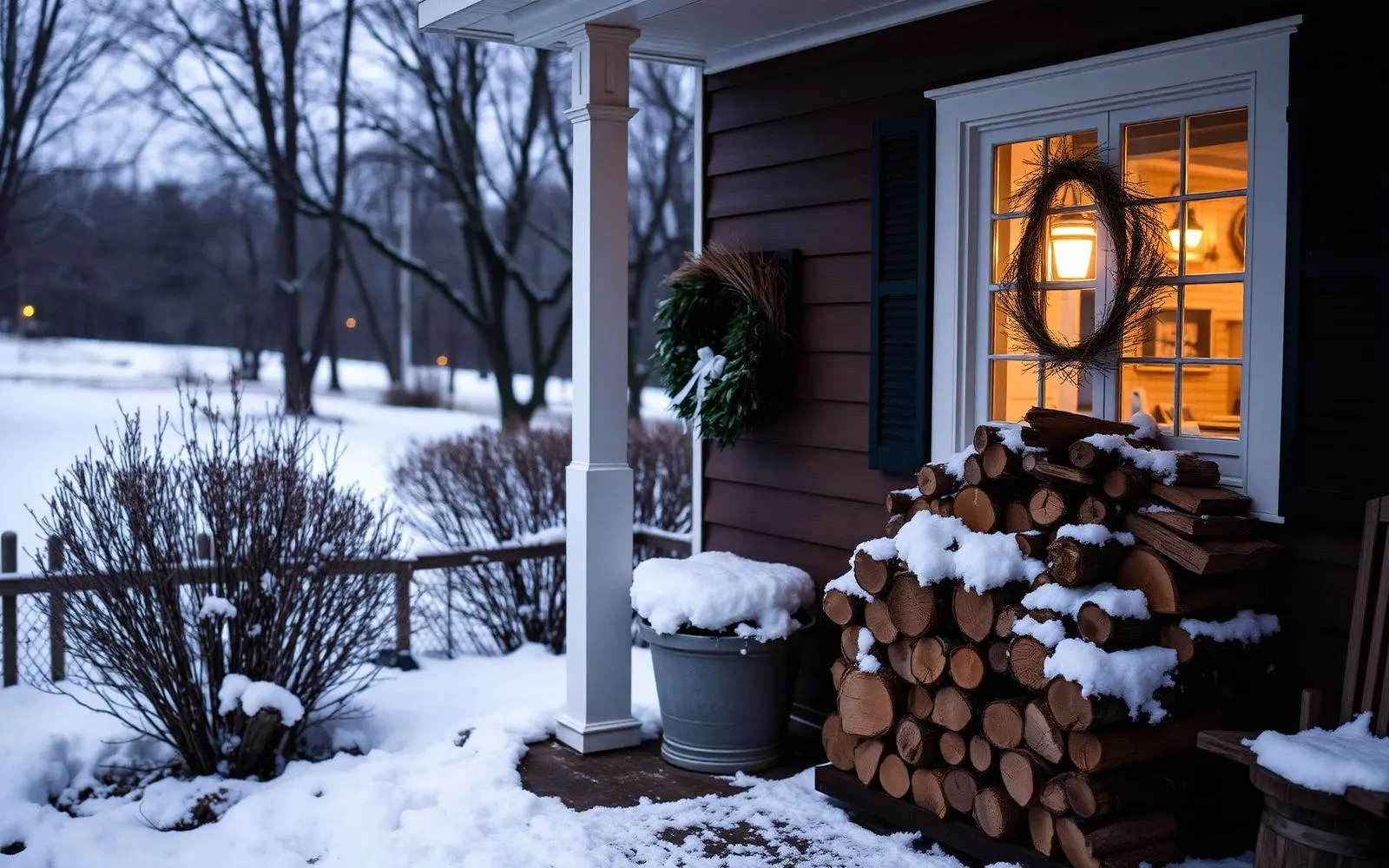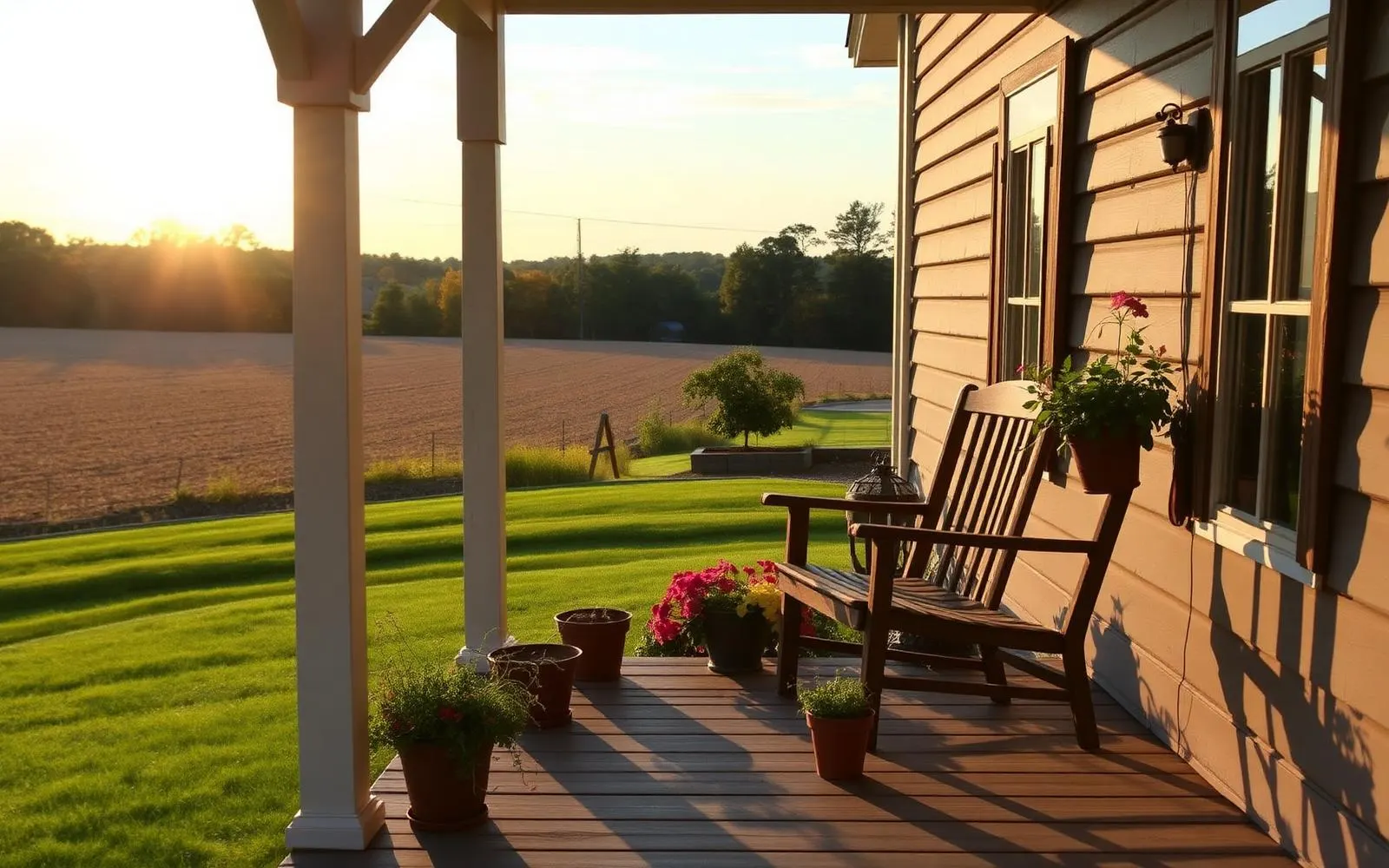
“The season does not arrive on a date. It arrives at about six thirty in the evening, a few minutes earlier each week.”
The first evening you notice it is usually in the first week of September, around six thirty, standing at the kitchen counter doing something unremarkable. The light has come in sideways through the west window and laid a long bar of gold across the floor and up the leg of a chair. It was not doing that in July. Nothing else has changed. The afternoon was eighty five degrees. But the room has shadows in it at dinner for the first time since spring, and the year has turned while you were not watching.
That six week stretch, from the last of August through early October, is the best working season a Pennsylvania house gets. It is comfortable enough to leave the doors open and cool enough to get anything done outside. It is also, not coincidentally, the window in which nearly everything the house needs before winter is easiest to handle.
Light, and moving the furniture
Do this first, because it costs nothing. Notice where the low sun now lands and put a chair there. Summer arrangements are built around avoiding heat and glare. Autumn wants the opposite: seating pulled toward the west and south windows, the reading lamp moved, the heavy summer shades opened and left open.
Two other small moves change a house more than the effort suggests. Wash the windows on the sunny elevations, because you are about to lose several hours of daylight a day and every bit of transmission counts. Then bring in warmer, heavier textiles, wool over linen, a rug in a room that had bare floor all summer. That last one changes how the room sounds as much as how it looks, which is half of why autumn interiors feel calmer.
The outdoor rooms get their best month
September evenings on a porch in this part of the state are the year's strongest argument for outdoor space. The insects thin out, the humidity finally breaks, and eight in the evening is comfortable in a way it has not been since May.
Extending that season is mostly light and warmth at a small scale. One low light source. A blanket kept outside in a covered box so nobody has to decide to go get it. A heat source if you have one. Resist the instinct to pack the porch away in September. It is a habit inherited from the school calendar, and it costs most households a month of the nicest evenings on offer.
The garden, finishing rather than failing
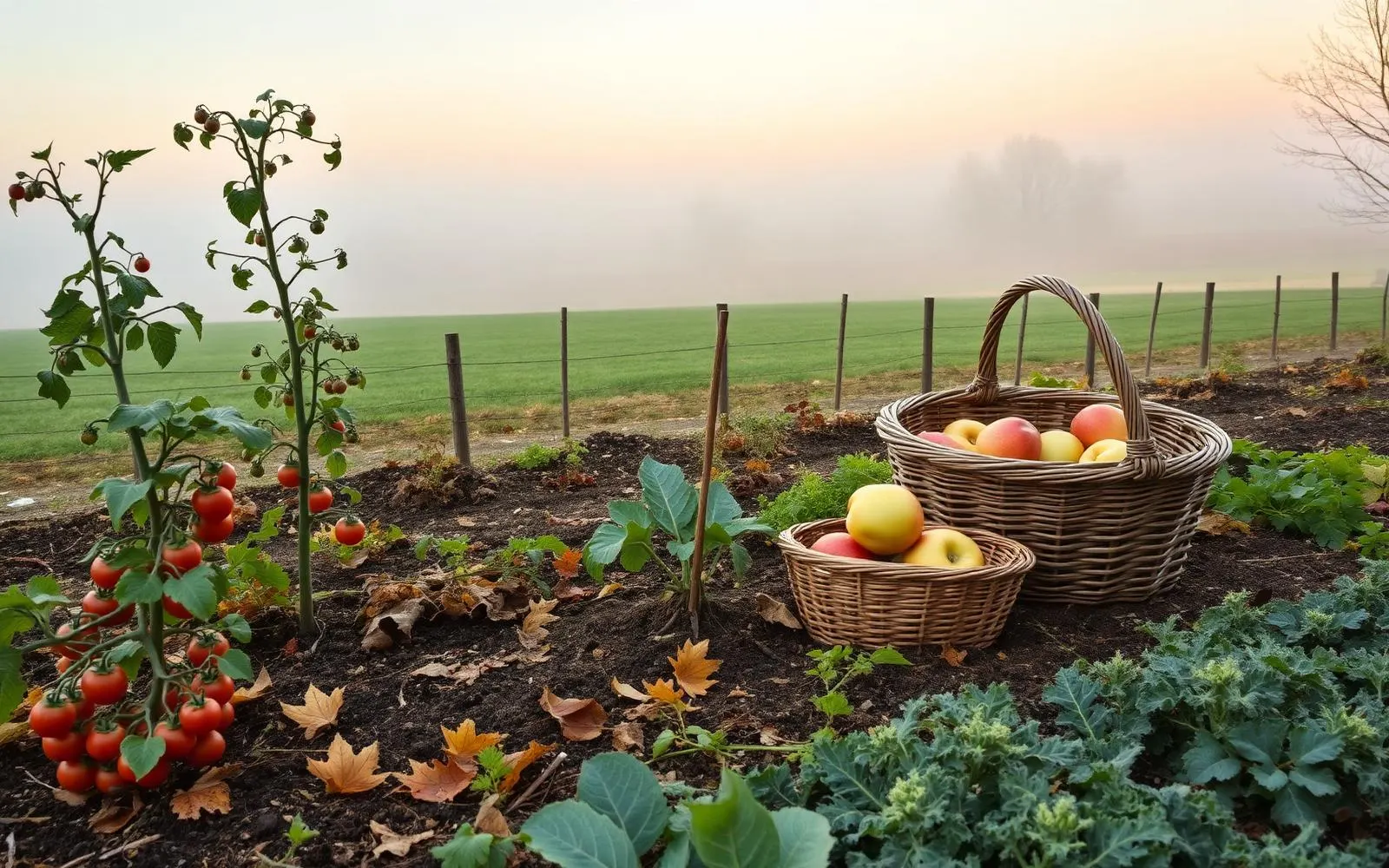
A late summer garden looks ragged, and the temptation is to cut everything to the ground and be done. Be selective instead. Pull the crops that are genuinely finished. Leave the perennials standing, because the seed heads feed birds through the winter and the hollow stems shelter insects. Leave the ornamental grasses entirely. From November to March they are the best thing out there.
- Early autumn is the best planting window of the year here for trees, shrubs and most perennials, since roots grow while the soil is still warm.
- Divide crowded perennials now and you will not have to buy plants next spring.
- Get spring bulbs in the ground once nights are consistently cool, generally from October onward.
- Rake leaves off the lawn but into the beds, where they do the work mulch is sold to do.
The maintenance that has to happen now
Autumn maintenance in this climate is a water and air campaign. Every item on the list either keeps water out of the building or keeps heated air inside it. That is the whole logic, and it makes the list easy to remember.
- Clear gutters and check that downspouts still discharge away from the foundation. Do it again after the leaves finish falling.
- Walk the perimeter and look at grade. Soil settles, and a negative slope that developed over the summer will find you in March.
- Have heating serviced before the first cold night rather than during the first cold week, when everyone else is calling.
- Chimneys and flues that will be used need inspection, not assumption.
- Seal the cheap air leaks: exterior door thresholds, attic hatches, and the gaps around penetrations in the basement ceiling.
None of it is glamorous, and it is the whole difference between a house that is cozy in January and one that is merely warm.
Local rhythms worth building the season around
The farm calendar in Lancaster, Berks and York gives autumn a real structure. Late summer is tomatoes, corn and peaches. September brings the apple harvest and the long run of county fairs and community festivals. Field corn stands until it browns, and then one week it comes down and the whole landscape opens up, and you can suddenly see a barn you drove past all summer without knowing it was there.
The households that enjoy this season most tend to keep two or three fixed rituals rather than a full calendar. One orchard trip. One fair. One long walk in a particular place that looks different every year on the same weekend.
Marking the season without the costume
There is a version of autumn decorating that arrives in a bag and looks like everyone else's. There is another version that comes in through the back door: a bowl of apples from the orchard you actually drove to, a few branches with turning leaves in a heavy jug, a pumpkin or two of the odd warty varieties the local growers keep, a candle lit at dinner because it is now dark at dinner.
The difference is whether the house is signaling the season or actually keeping it. The second is cheaper, ages better, and changes on its own every week, which is more or less the reason to live somewhere with four of these in the first place.
What to take from this
- Move seating toward the west and south light and wash those windows early.
- Do not close the porch in September; the best evenings of the year are still ahead.
- Autumn is the best planting window here, and standing perennials feed winter birds.
- Gutters, grading, heating service and cheap air sealing before the first cold week.
The Journal is written for people thinking about homes, not just financing them. Articles are educational and reflect general observation about Pennsylvania housing, architecture, and daily life. Nothing here is an offer to lend, a commitment to a rate, or an appraisal of any particular property. Corie Adams, NMLS #1875205. Network Funding, LP, NMLS #2297. Equal Housing Opportunity.