“Every garden that survives is a garden that agreed to terms with the site.”
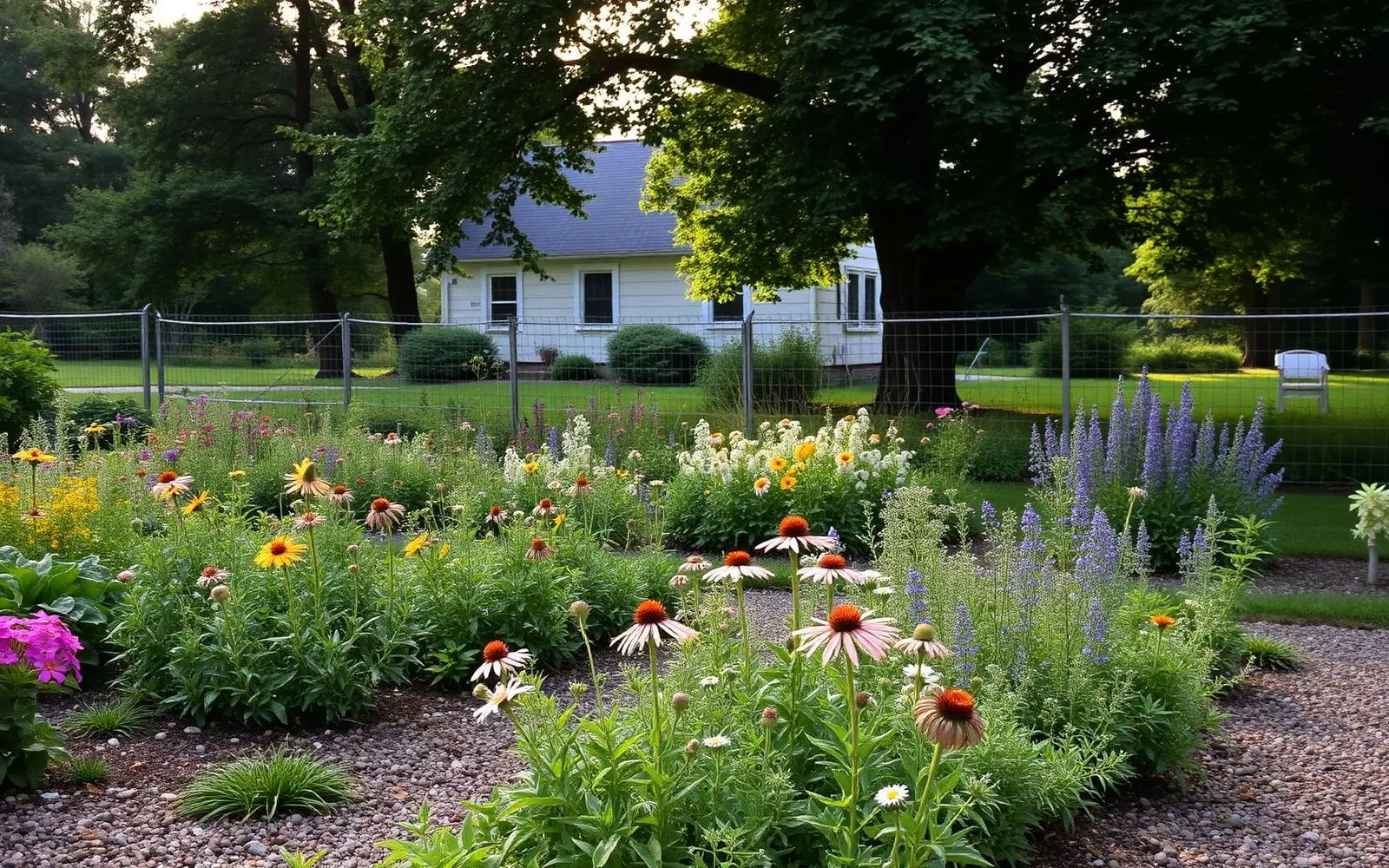
Early June, in a garden above the river in York County, at seven in the morning while it is still cool enough to work. The gravel path is damp. There are bees already in the mountain mint, which is the loudest plant in the garden at this hour and makes an actual audible hum. Along the back, a plain wire fence keeps the deer out of the vegetables and nothing else. Everything outside that fence is a plant the deer have decided against, which is a shorter list than you want and a longer one than you fear.
The woman who made it told me she spent her first four years here losing. She kept planting the garden she had wanted, and the site kept declining to grow it. The garden that finally worked is the one that negotiated.
Start with where the water goes
This region gets a genuinely useful amount of rain, roughly forty something inches a year across the lower Susquehanna, and it does not arrive politely. Long dry stretches in July, then two inches in an afternoon.
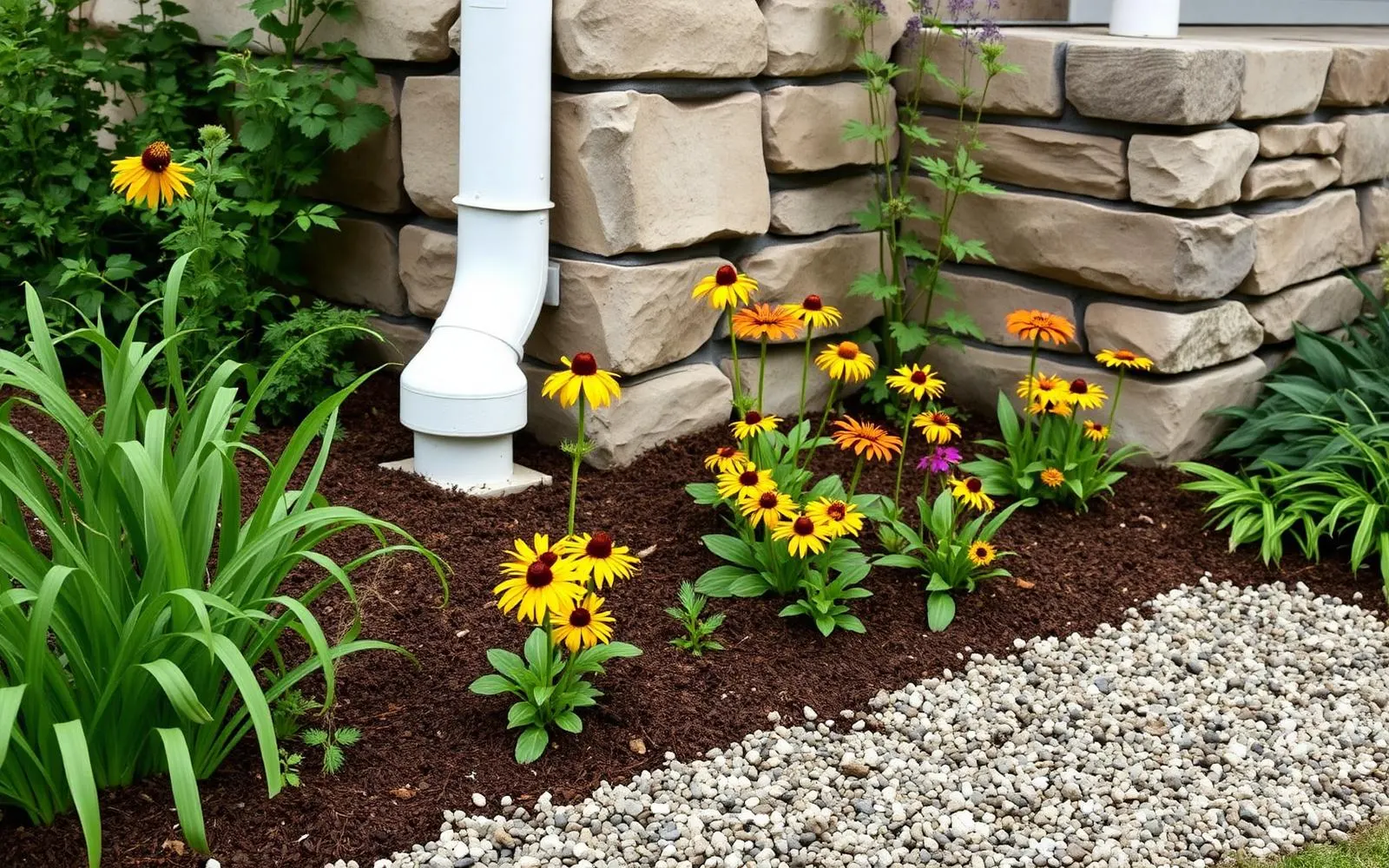
So before choosing a single plant, go outside during a hard rain and follow the water. Where does it sheet off the roof. Where does it pool and stay. Where does it run fast enough to carry mulch with it. Where is the ground still soft two days later. That map is the real site plan, and it will overrule any design you draw indoors.
The wet spot is not a problem to be corrected. It is the best planting opportunity on the property, if you plant the things that want it.
The soil is probably worse than it looks
Two versions of the same story. On older properties, heavy clay that drains slowly, holds water through winter and cracks in August. On newer ones, compacted subsoil left behind by construction equipment with an inch of topsoil and sod on top of it.
Neither is fixed by choosing tougher plants. Both are fixed by organic matter, applied repeatedly and without drama: compost into new beds, mulch left to break down, leaves raked into the beds every autumn rather than bagged. Three years of that changes what the ground can do. It is slow, it is boring, and it is the only thing that works.
Plan for the shade that is coming
Mature trees are the great asset of an older Pennsylvania property, and they are also a moving target. A bed that gets six hours of sun today may get three in a decade. Nearly every abandoned perennial border I have seen in this valley was a sun garden that the trees quietly grew over.
So look up before you dig. If the canopy is heading toward the bed, plant for the shade rather than the sun, and accept a slightly duller first five years for a garden that survives the second decade. The alternative is replanting the same bed twice.
Deer: pick one battle
Deer pressure here is constant, not seasonal. Every gardener who is still gardening after ten years has arrived at the same arrangement, and it is not sprays.
Fence one area properly. Vegetables, cut flowers, the few things worth defending. Make it high enough to matter, keep it simple, and stop apologizing for how it looks. Then, outside the fence, plant only what the deer generally leave alone: aromatic natives, tough grasses, ferns, anything with fuzzy or bitter foliage.
Defend one enclosure well. Trying to protect the whole property is a campaign nobody wins.
Natives, for reasons that are not sentimental
Regional natives are not a moral position, they are a maintenance strategy. Plants adapted to this rainfall pattern and this clay need less water in the dry weeks, tolerate the wet ones, and largely take care of themselves once established.
The practical dividend is life. Mountain mint, bee balm, coneflower, aster, goldenrod, switchgrass and little bluestem will keep a garden loud with insects and birds from June to frost, and will look like something in February when everything else has gone flat.
Structure carries the winter
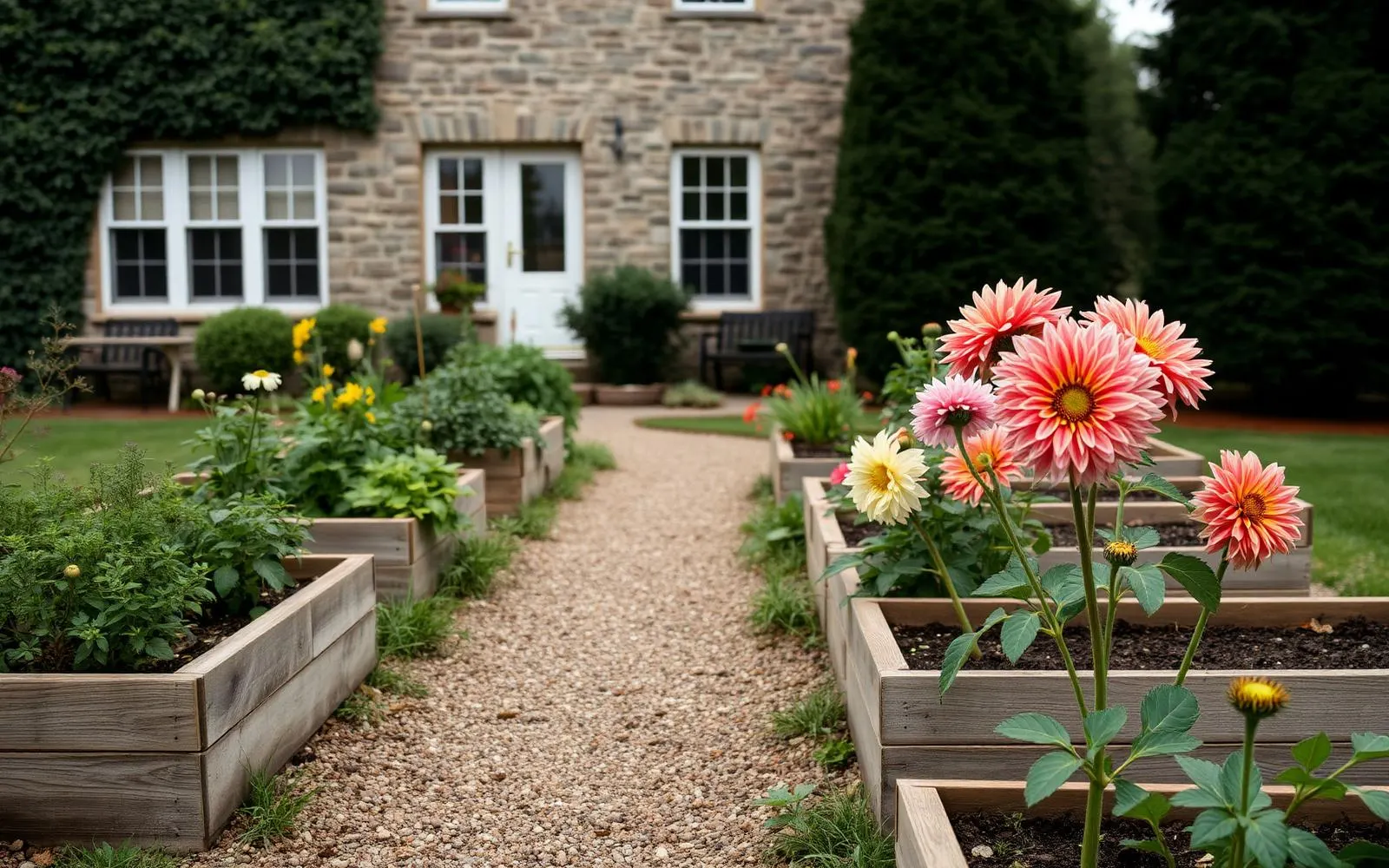
This valley has five months of the year with no flowers in them, and a garden designed only around bloom fails for nearly half its life. What holds up in January is the bones: a gravel path with a definite edge, a low wall, a hedge, a fence line, a shape of grasses left standing.
Cut nothing back in autumn that could stand. Seed heads feed birds. Hollow stems shelter insects. Grasses catch frost and low light in a way nothing you plant in May will match. The tidy autumn cleanup is a habit imported from milder places and it costs this garden its best winter months.
The garden you can keep
The honest measure of a garden is not how it photographs in June. It is whether it survives the week you are away, the August you are busy, the summer somebody is ill.
A garden built on the site's own terms takes about an hour a week between April and October and looks after itself the rest of the year. That is what makes it possible to be out there at seven in the morning in June with a cup of coffee, listening to the mountain mint, doing nothing at all.
What to take from this
- Map where water goes during a hard rain before choosing plants.
- Fix compacted post construction soil with organic matter, not with plant selection.
- Plan beds for the shade the trees will cast in a decade.
- Fence one area properly rather than defending the whole property from deer.
The Journal is written for people thinking about homes, not just financing them. Articles are educational and reflect general observation about Pennsylvania housing, architecture, and daily life. Nothing here is an offer to lend, a commitment to a rate, or an appraisal of any particular property. Corie Adams, NMLS #1875205. Network Funding, LP, NMLS #2297. Equal Housing Opportunity.