“People move here for space. They stay for the fact that the same faces keep turning up.”
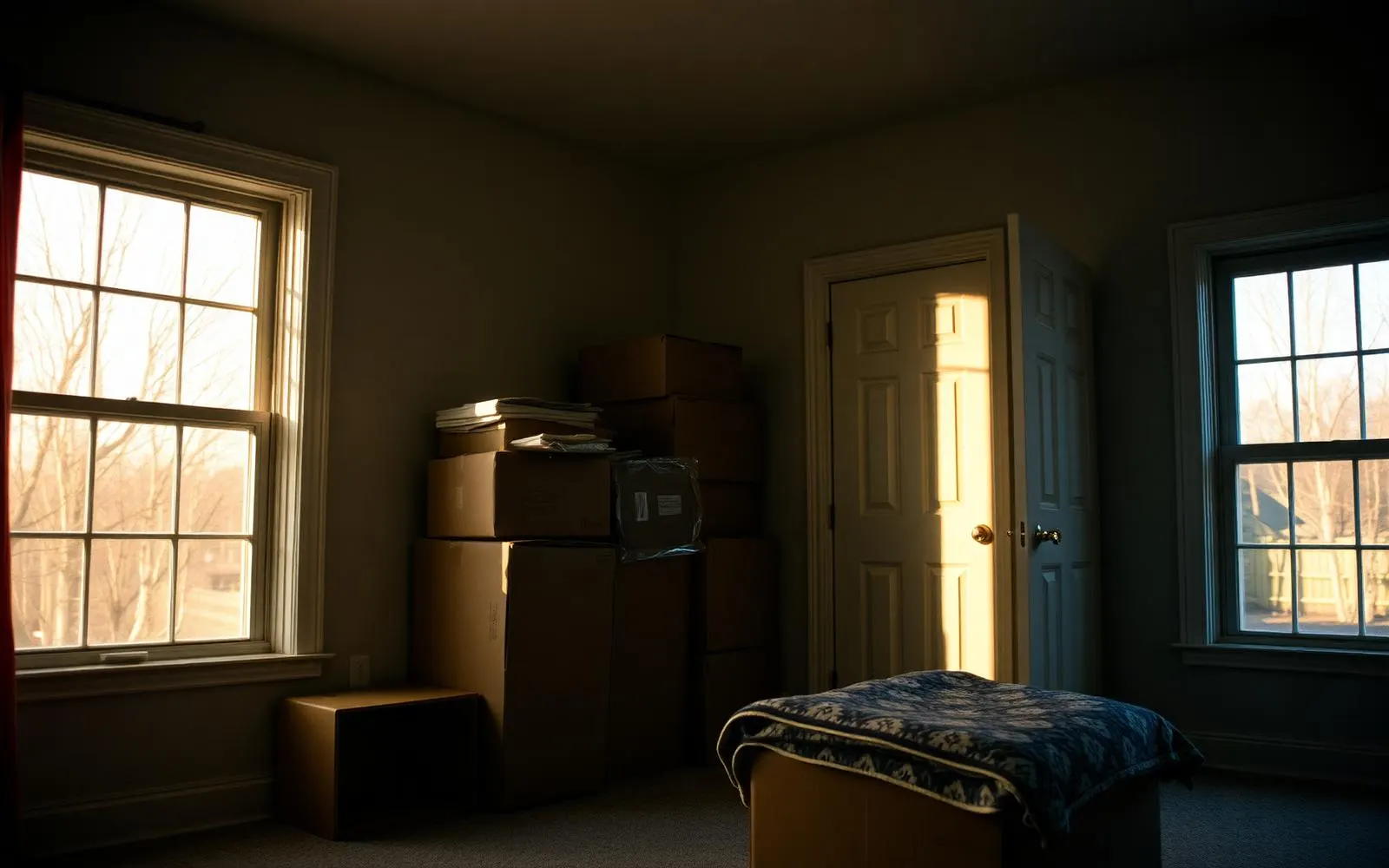
The first thing almost everyone mentions is the quiet, and they mention it about the third night, not the first. The first night is chaos. By the third night the boxes are down to a manageable number and somebody stands in the kitchen at eleven and realizes they can hear the refrigerator, and beyond that nothing. No traffic on a main road. No neighbor's television through a shared wall. It unsettles people for about a week and then it becomes the thing they would not give back.
I have sat with a lot of households in their first year here, coming from Philadelphia, from northern New Jersey, from the Maryland suburbs, from New York. The arc is remarkably consistent, and so are the four or five things people get wrong before they arrive.
The first month is mostly errands
Nobody warns anyone that the first month of a move is administrative. Registration, driver's license, doctors, dentists, schools, the trash contract, which is a municipal arrangement in some townships and a private one in others, and the discovery that the recycling day is not the trash day.
It is dull, it takes weeks, and it is the reason people feel unsettled in month one even when they love the house. It is not the house. It is that thirty small systems all need to be re established at once.
Space costs more than it looks like it does
This is the most common financial miscalculation, and it is not about the purchase price. People come from a rowhome or a townhouse and buy a house with three times the square footage and an acre, and they are correctly proud of what their money bought.
Then the first year arrives with the rest of the bill. A bigger house costs more to heat and cool. A lawn requires equipment or a service. A well and a septic system are not city water and sewer, and they have maintenance schedules and eventual replacements attached to them. Gutters on a larger roof. A driveway that needs sealing. Furniture for rooms that were not in the old house.
None of it is catastrophic, and all of it is predictable, which is why I bring it up while people are still choosing. A household that budgets for the operating cost of the property, rather than only the payment, has a substantially better first year than one that does not.
Drive the actual commute, at the actual hour
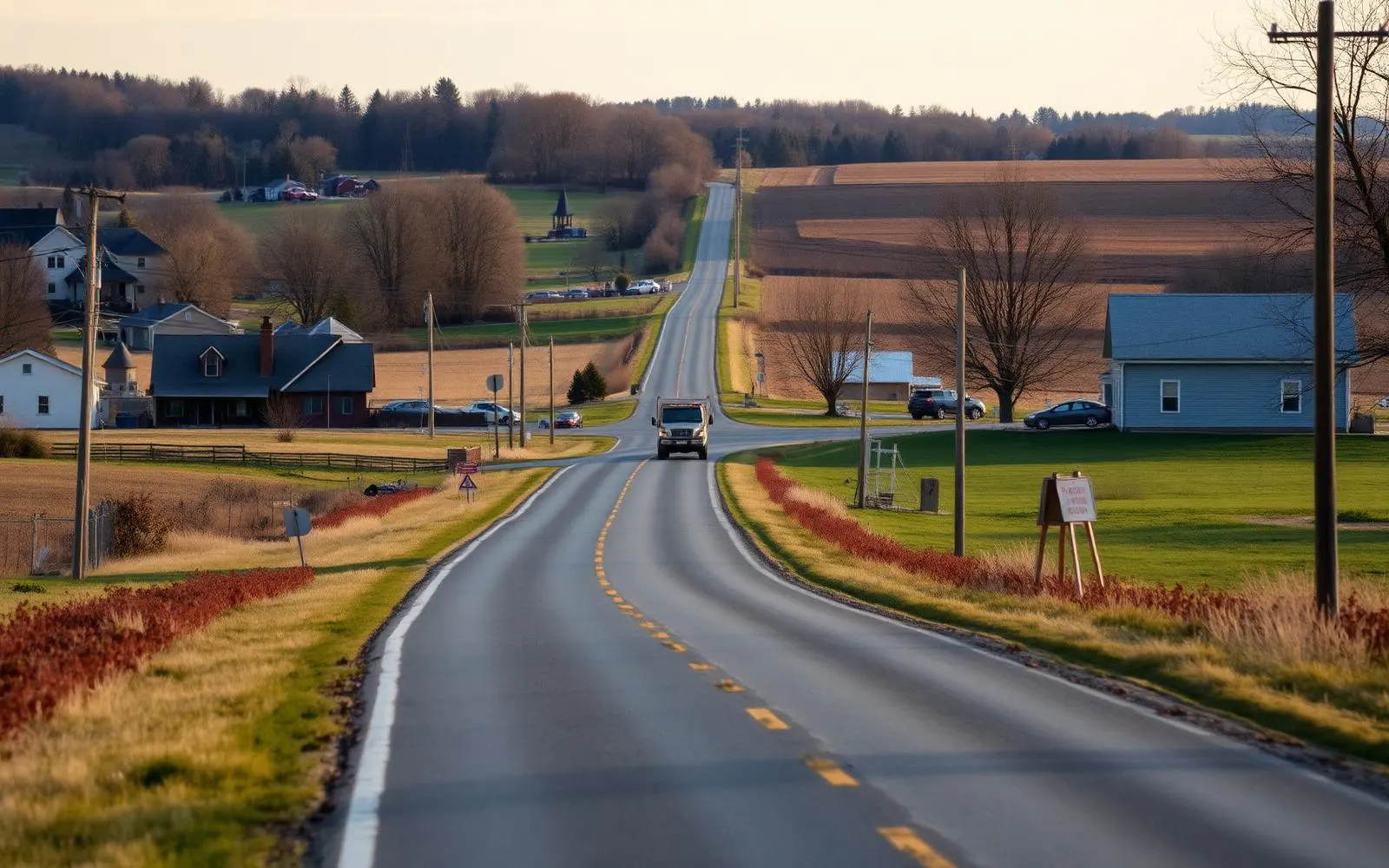
The second misjudgment is the drive. Distances here look small on a map and behave differently in practice, because a great many of the roads are two lanes, and two lane roads in this county have farm equipment on them, tourist traffic in some seasons, and horse drawn traffic in a number of townships.
Twelve miles is not twelve minutes. Sometimes it is thirty five. The only way to know is to drive it on a Tuesday at the hour you would actually be driving it, and then drive it home at five thirty, before you commit to a town.
Belonging works by repetition here
This is the part that surprises people from cities most, and it is the best news in the whole essay.
In a large metro, social life is built out of variety. You go to a lot of different places and see mostly different people. Here it is the opposite: the same hardware store, the same coffee place, the same market stall, the same pool in July, the same three restaurants. For the first several months that feels limited.
Then, somewhere around month six, something shifts. The person at the counter knows your order. You run into the neighbor at the grocery store and it is not awkward. Somebody waves from a car and you know who it is. Belonging here is a function of repetition, not of variety, and it accrues quietly to anyone willing to keep showing up in the same places.
You do not join this place by finding the right activity. You join it by going back to the same four places for a year.
One February, then judge
The last thing I tell people is to reserve their verdict until they have lived through a Pennsylvania February. Not January, which has holidays behind it and snow that people still find charming. February, which is grey, long, and does not include a single interesting thing.
Households that are content here in late February are content here. It is the honest test of a place, and almost nobody applies it, because everyone visits in October when the light is gold and the corn is coming down and the whole county is doing its best work.
And then March comes, and the fields turn, and somebody stands in the kitchen at eleven at night and hears nothing at all, and that is the year turning over.
What to take from this
- Budget for the maintenance a bigger house and lot demand, not just the purchase.
- Drive the real commute at the real hour before committing to a town.
- Belonging comes from repetition, not from variety of activities.
- Reserve judgment until you have lived through one Pennsylvania February.
Where to go next
The Journal is written for people thinking about homes, not just financing them. Articles are educational and reflect general observation about Pennsylvania housing, architecture, and daily life. Nothing here is an offer to lend, a commitment to a rate, or an appraisal of any particular property. Corie Adams, NMLS #1875205. Network Funding, LP, NMLS #2297. Equal Housing Opportunity.