“A town with a busy library and a well supported fire company is a town that still shows up for itself.”
A Wednesday in October, a little before four, in a borough library that occupies what was clearly once a bank. Every table is taken. Two older men are reading newspapers on actual paper. A woman is at the public computer filling out something that is plainly important to her. Three middle schoolers have taken the corner and are pretending to do homework. A librarian is helping somebody find a form and knows her by name.
Four blocks away, the fire company's parking lot has a sign out front for a chicken barbecue on Saturday, and the bay doors are open, and two guys in their sixties are washing a truck that does not appear to need washing.
I have driven through a lot of Pennsylvania towns, and I have come to trust those two buildings more than any set of numbers I could pull about a place. They tell you whether a town is still participating in itself.
Why the library is the tell
A library is the last public interior in most small towns where you can stay for two hours without buying anything. That makes it an unusually honest instrument. Nobody is there for status. Nobody is there because it is trendy. People are there because they need a warm room, a book, a computer, a story hour, or a place for a teenager to be between three and five.
So a busy library on a plain weekday afternoon means the town has residents with time in it, families who stayed, and enough municipal will to keep the doors open. An empty one, with reduced hours posted on the glass, tells you something about how the last ten budget cycles went.
Why the fire company is the other one
Pennsylvania runs on volunteer fire companies to a degree that surprises people who move here. Thousands of departments across the Commonwealth are volunteer or mostly volunteer, and the model depends on two things that cannot be bought: people willing to train and respond, and neighbors willing to fund them through fundraisers that are frankly medieval in their charm and remarkably effective.
The chicken barbecue is not a quaint detail. It is the balance sheet. A well attended fundraiser means a town where enough people still feel a claim on the place to show up on a Saturday morning and buy a plate they do not need. A struggling company with a thin roster is one of the clearest signals that a town's civic bench has gotten short.
The chicken barbecue is not a quaint detail. It is the balance sheet.
The other small signs
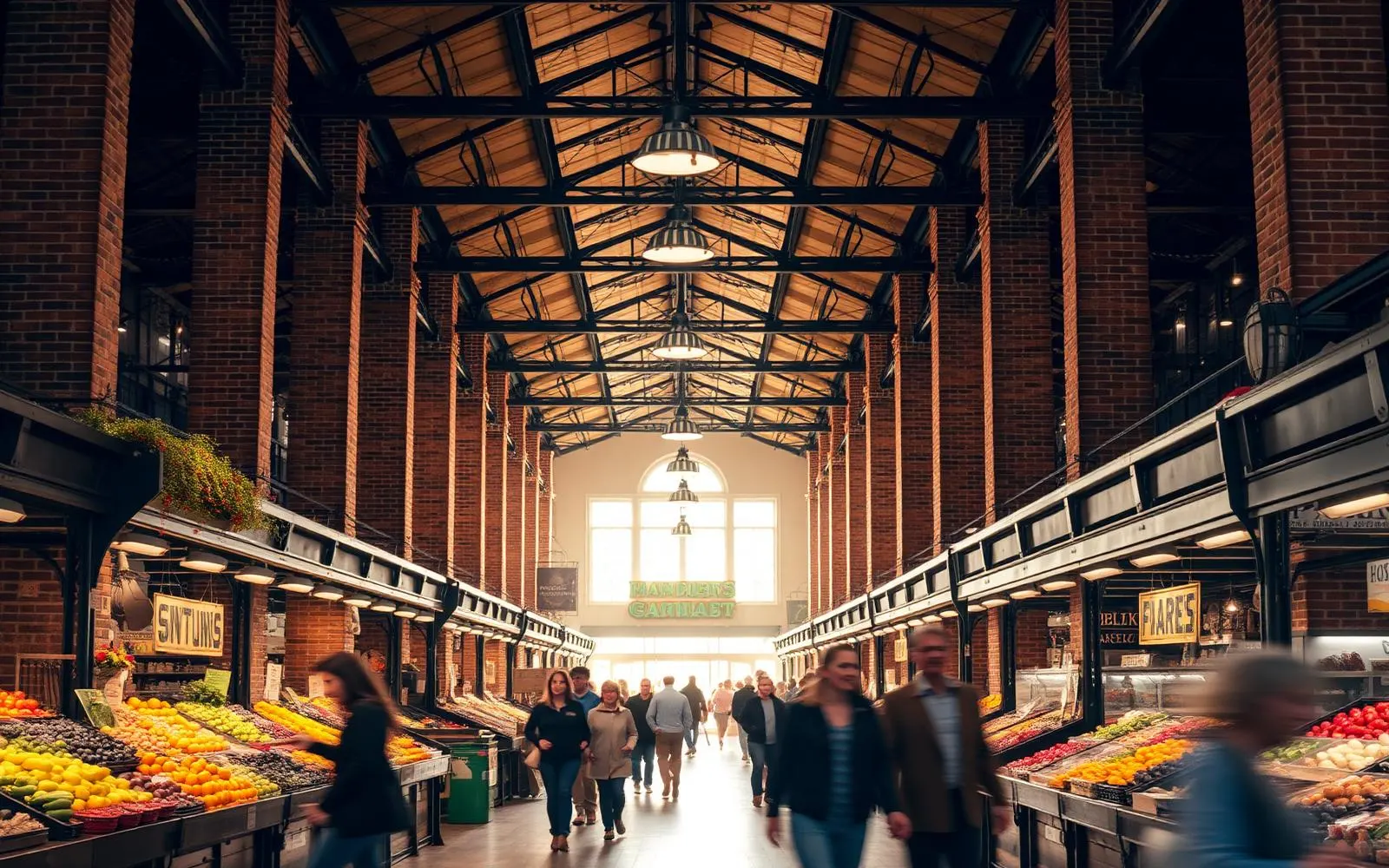
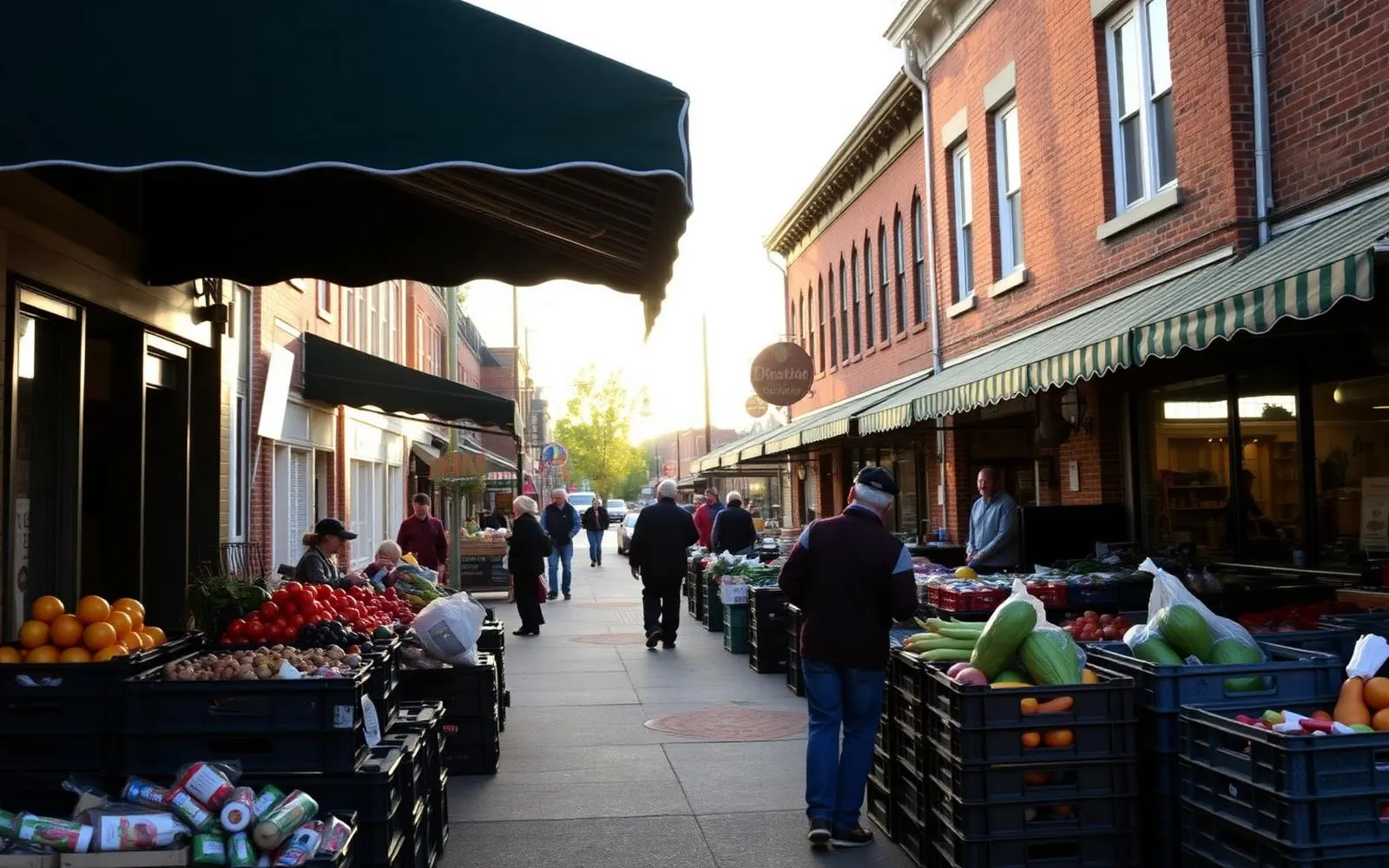
Once you start reading a town this way, a few more instruments turn up. The independent hardware store is a good one, because it survives only where enough people fix things themselves and want to talk to somebody about it. A winter market, running in February with nothing green in it, means the vendors trust the customers to keep coming when it is unpleasant. Youth sports fields with fresh lines in the grass mean somebody is volunteering hours nobody thanks them for.
And the most boring instrument of all, which almost nobody uses: read a borough council agenda before you buy. They are public, they are usually posted online, and thirty minutes of them will tell you what the town is worried about, what it is spending on, and whether the conversation is about growing or about holding on.
What this has to do with a mortgage
More than it seems. The house is a thirty year decision and the town is the thing that decides whether that was a good one. A house can be improved. A street can improve. But the civic capacity of a place, the willingness of enough people to keep the shared rooms open, changes slowly and is very hard for one household to affect.
There is also a practical layer worth asking about. Many Pennsylvania counties, boroughs and cities run their own homebuyer assistance programs, and they change from year to year and from municipality to municipality. Buyers ask me about statewide programs constantly and almost never about county level ones, which is backwards, because the county level ones are the least publicized and often the easiest to qualify for. It is worth asking specifically about the town you are actually considering.
How to read a town in one afternoon
- Sit in the library on a weekday between three and five and watch who comes in.
- Find the fire company and see whether an event is posted.
- Walk into the hardware store and buy something small.
- Read the last two borough council agendas before you write an offer.
None of that appears in a listing. All of it is available for free, on a Wednesday, to anyone willing to park the car and go inside.
What to take from this
- Visit the library on a weekday and the fire company at an event.
- Independent hardware stores and winter markets are good signs.
- Read a borough council agenda before you buy.
- Ask whether county or borough level buyer assistance exists in your target town.
Where to go next
The Journal is written for people thinking about homes, not just financing them. Articles are educational and reflect general observation about Pennsylvania housing, architecture, and daily life. Nothing here is an offer to lend, a commitment to a rate, or an appraisal of any particular property. Corie Adams, NMLS #1875205. Network Funding, LP, NMLS #2297. Equal Housing Opportunity.