“A market house is the rare public building where nobody has to explain why they came.”
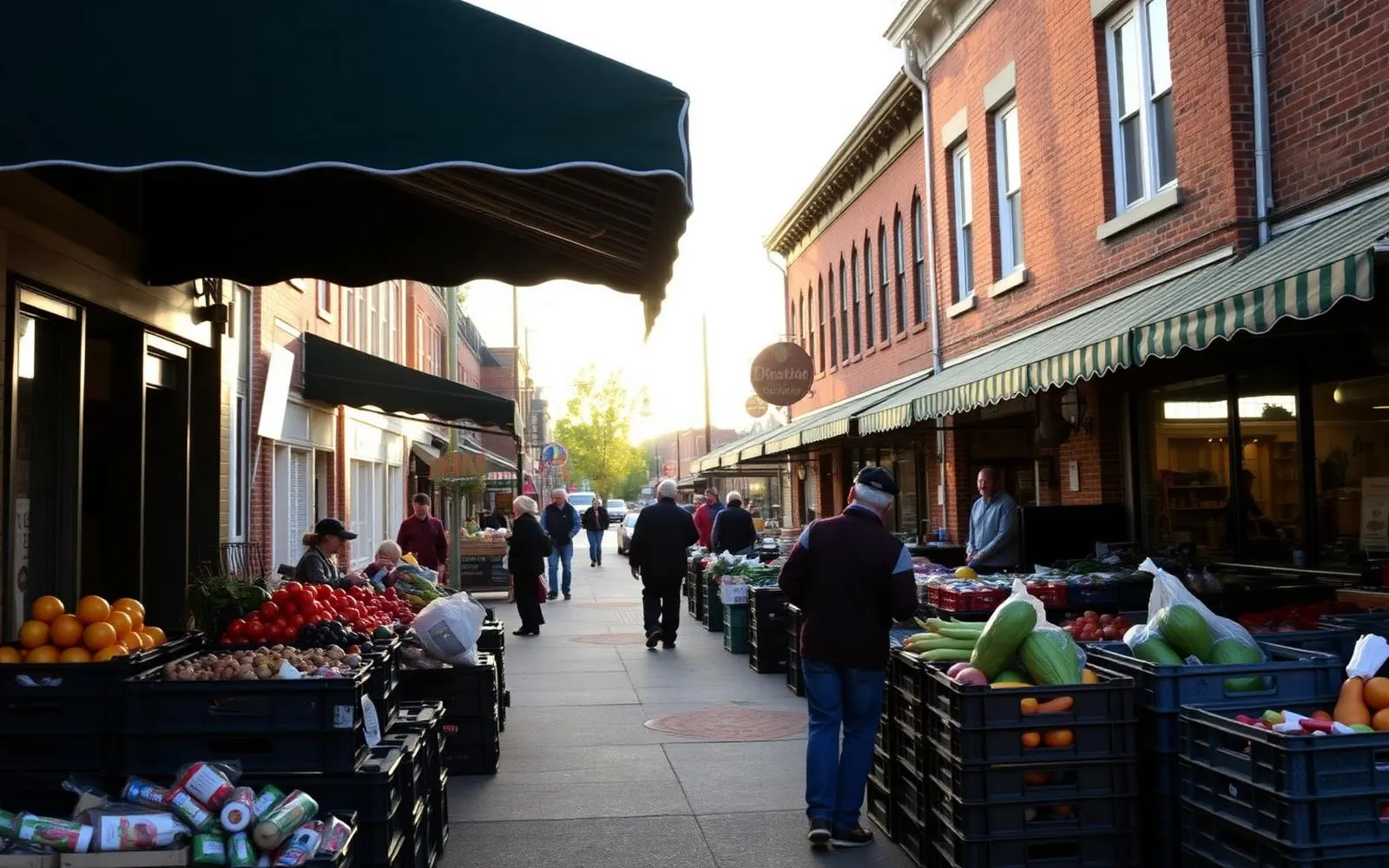
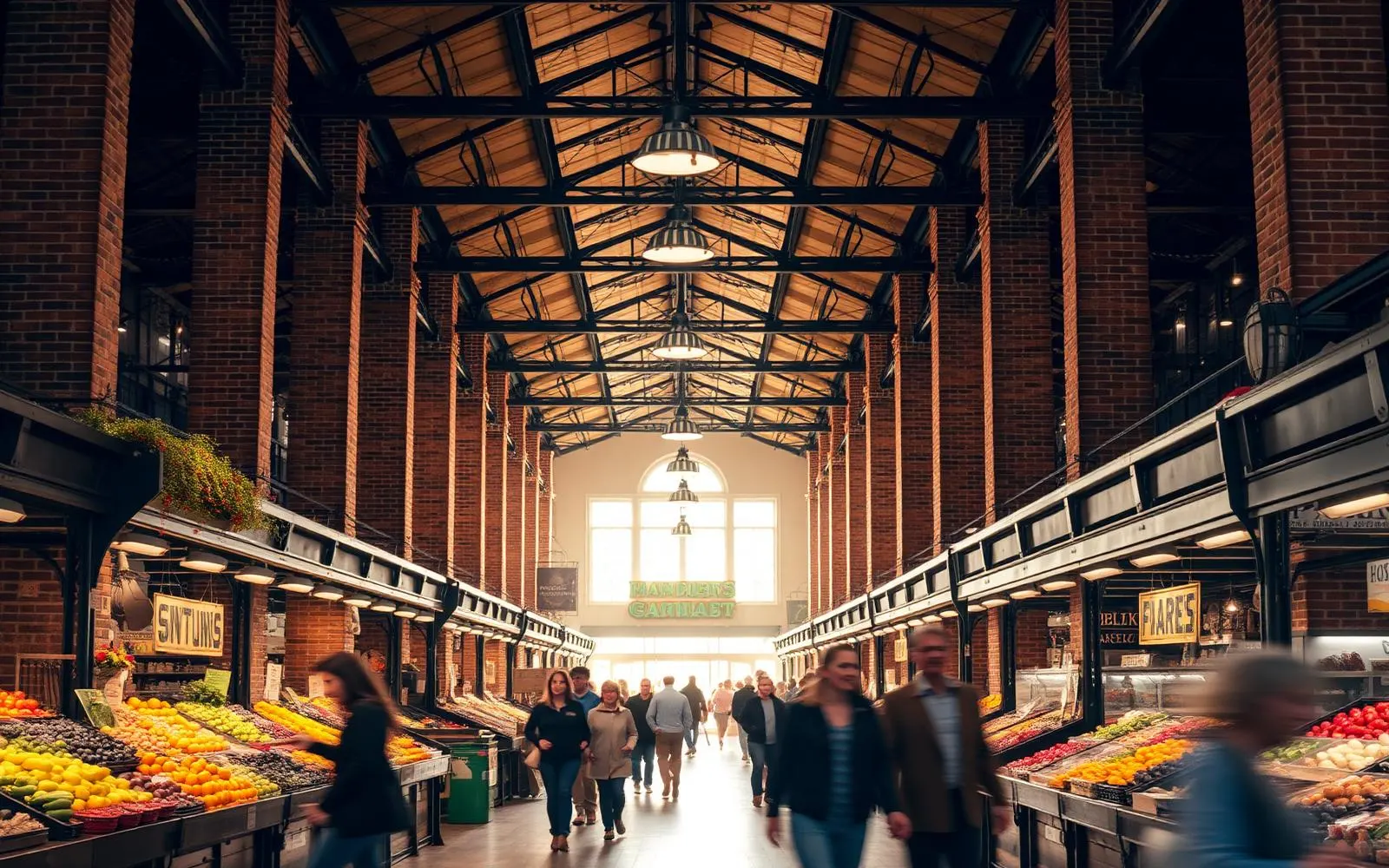
Saturday, twenty past eight in the morning, in a brick market hall with iron trusses overhead and the temperature inside not much different from the temperature outside. The floor is wet in one aisle where somebody has been washing greens. Two men are having an argument about the Eagles across a case of scrapple, and it is clear from the tone that they have been having versions of this argument for thirty years. A woman with a cart is being handed a bag she did not ask for because the stallholder knows what she buys.
Most of the country demolished buildings like this between 1950 and 1980. Central Pennsylvania largely did not, and the ones that survived are doing something no other institution in these towns manages to do.
They were built as infrastructure
It helps to remember what these buildings were for. A market house was not a charming amenity. It was municipal infrastructure, in the same category as a water works: the place a town guaranteed that food could move from the farms around it to the people inside it, under a roof, on a schedule, with weights and measures somebody was accountable for.
That is why they are substantial masonry buildings rather than sheds. A town put its money there because the function was considered essential. Lancaster Central Market has operated on its site since the eighteenth century and its current hall dates to the 1880s. Harrisburg's Broad Street Market has buildings from the 1860s. These are among the oldest continuously operating public markets in the country.
The aisle is the whole mechanism
What makes a market house different from a grocery store is not the food. It is that the building forces encounter.
The aisles are narrow. You have to wait behind somebody. You buy from a person rather than from a shelf, and that person asks a question, and the transaction takes forty seconds longer than it needs to. Over a few years that produces a specific and unusual thing: a room where several hundred people who do not otherwise share a life are regularly in each other's way.
The demographic mixing is the part outsiders notice first. Plain sect farmers, restaurant chefs buying in volume, retirees who have shopped the same stall since the Ford administration, university students, immigrant families running stalls that would not exist anywhere else in the county because the rent would be impossible.
Low rent is the reason the food is good
That last point deserves its own paragraph, because it is the least romantic and most important thing about these buildings. A market stall is a fraction of the cost of a storefront. No build out. Shared utilities. Shared foot traffic. A few days a week rather than seven.
So a person with a good product and no capital can start. Half the notable food businesses in Lancaster and Dauphin Counties trace back to a market stall, and a fair number of them are still there because the stall turned out to be a better business than the restaurant would have been. A market house is the cheapest small business incubator a town will ever own, and it does not require a program office to run it.
The market house is the cheapest small business incubator a town will ever own.
The same work, in other buildings
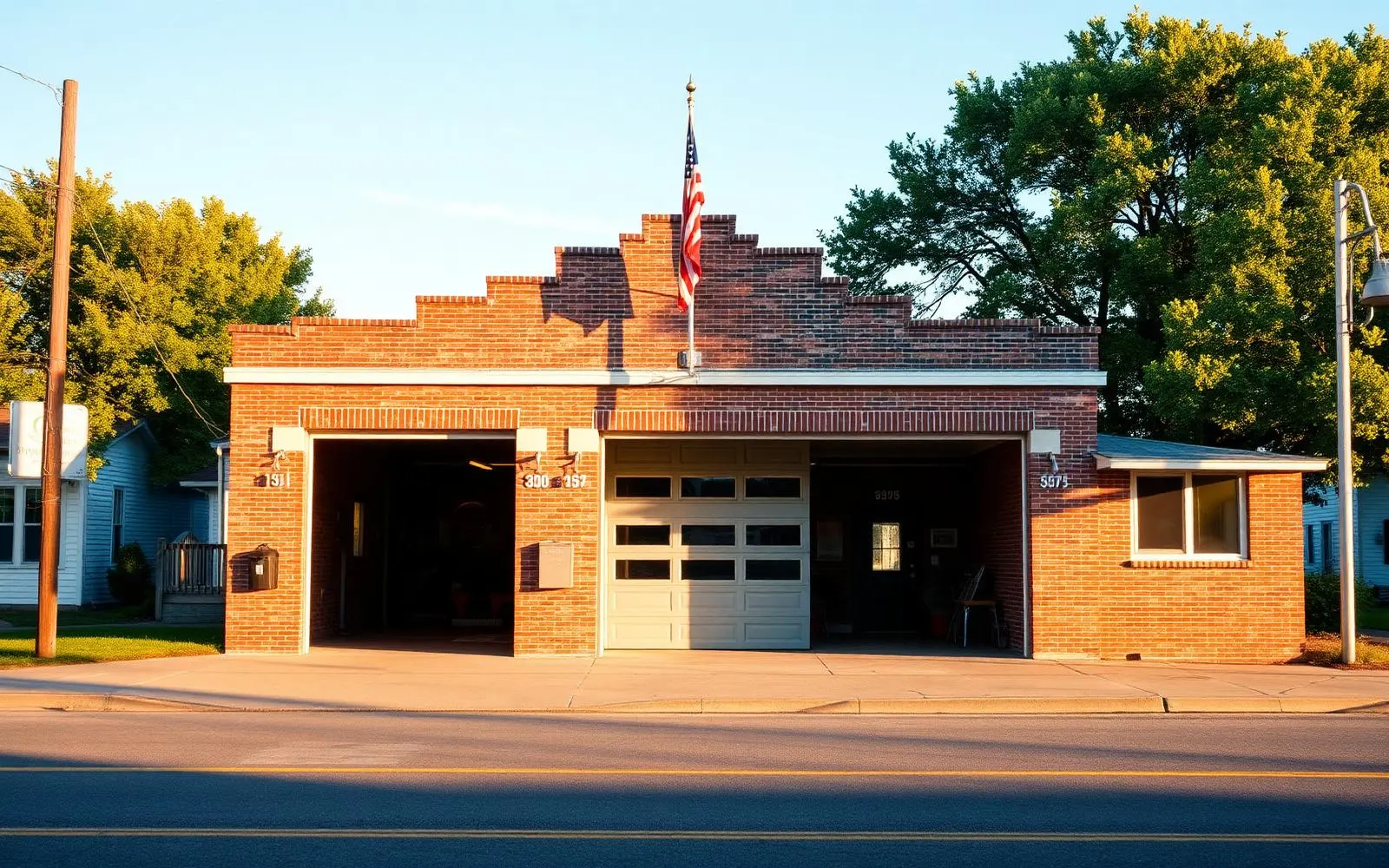
Not every town has a market hall, but most Pennsylvania towns have something doing similar work. The volunteer fire company with its fundraisers. The library on a weekday afternoon. The historical society that is also, functionally, the place where people who care about the town find each other. The church hall that hosts things having nothing to do with the church.
What all of these share is that they are shared interiors with a low bar for entry. You do not need a reason to be there and you do not need to spend money to stay.
What this tells a buyer
When people ask me how to judge a town they are considering, this is what I suggest. Find the shared room and go stand in it on an ordinary weekday. Not at a festival. Not on the best Saturday of the year.
Look at who is there and whether they are of different ages. A room that holds retirees and teenagers and young families in the same hour is a town with a future. A room that holds one narrow slice, or that is mostly empty at a time when it should be busy, is telling you something the listing photos are not.
It costs an hour and a parking space, and it is the most reliable piece of due diligence available to anybody buying a house in this part of the state.
What to take from this
- Market houses were built as infrastructure, and their layout still forces people to encounter one another.
- Low stall rents make markets durable incubators for small food businesses.
- Volunteer fire companies, libraries and historical societies do similar civic work.
- Judge a town by who is in its shared rooms on an ordinary weekday.
Where to go next
The Journal is written for people thinking about homes, not just financing them. Articles are educational and reflect general observation about Pennsylvania housing, architecture, and daily life. Nothing here is an offer to lend, a commitment to a rate, or an appraisal of any particular property. Corie Adams, NMLS #1875205. Network Funding, LP, NMLS #2297. Equal Housing Opportunity.