“Quality in construction is mostly sequence. Same materials, different order, completely different house.”
You've probably already picked out the countertop. Maybe the exterior color, the layout of the mudroom, whether you want a soaking tub or a walk-in shower. That's the fun part, and it should be.
But here's the thing nobody tells you when you're standing in a builder's design center picking finishes: none of that determines whether your house holds up. The decisions that actually decide what kind of house you get are made before the framing is even up, usually before you've even seen the lot staked. And almost nobody walks buyers through them.
I've sat across the table from enough builders, buyers, and closings to know the difference between a house that ages well and one that starts showing cracks by year five usually has nothing to do with the kitchen. So if you're building right now, or about to, here's what I'd want you to know before you sign anything.
The one decision you can't undo
Everything else on this list can be fixed, upgraded, or redone at some point. Where your house sits on the lot cannot.
Before the foundation ever gets poured, a good builder walks the lot and asks: which way is south, and will your living room bake in the afternoon sun or catch it right? Where does water go when it rains hard? Is the house sitting in the natural low spot on the property, or has someone thought about moving it uphill?
Rotating the house even fifteen degrees at the staking stage costs nothing. Once the foundation is poured, that decision is made for the next fifty years. This is the one to ask about first, before you fall in love with a floor plan.
Water is the enemy, and it's mostly invisible
Nobody ever tells a buyer “ask about your grading plan,” but I wish someone did, because nearly every basement problem I've ever seen traces back to one of four things:
- The grade doesn't actually slope away from the foundation once the soil settles (it always settles)
- Downspouts dumping water six inches from the wall instead of well away from it
- Footing drains without clean stone or a real place to drain to
- Basement walls with a quick coat of spray-on damp proofing instead of an actual drainage layer
None of this shows up on a walkthrough of the model home. All of it is easy to ask about, and easy for a good builder to answer without hesitating.
What “quality” actually looks like mid-build
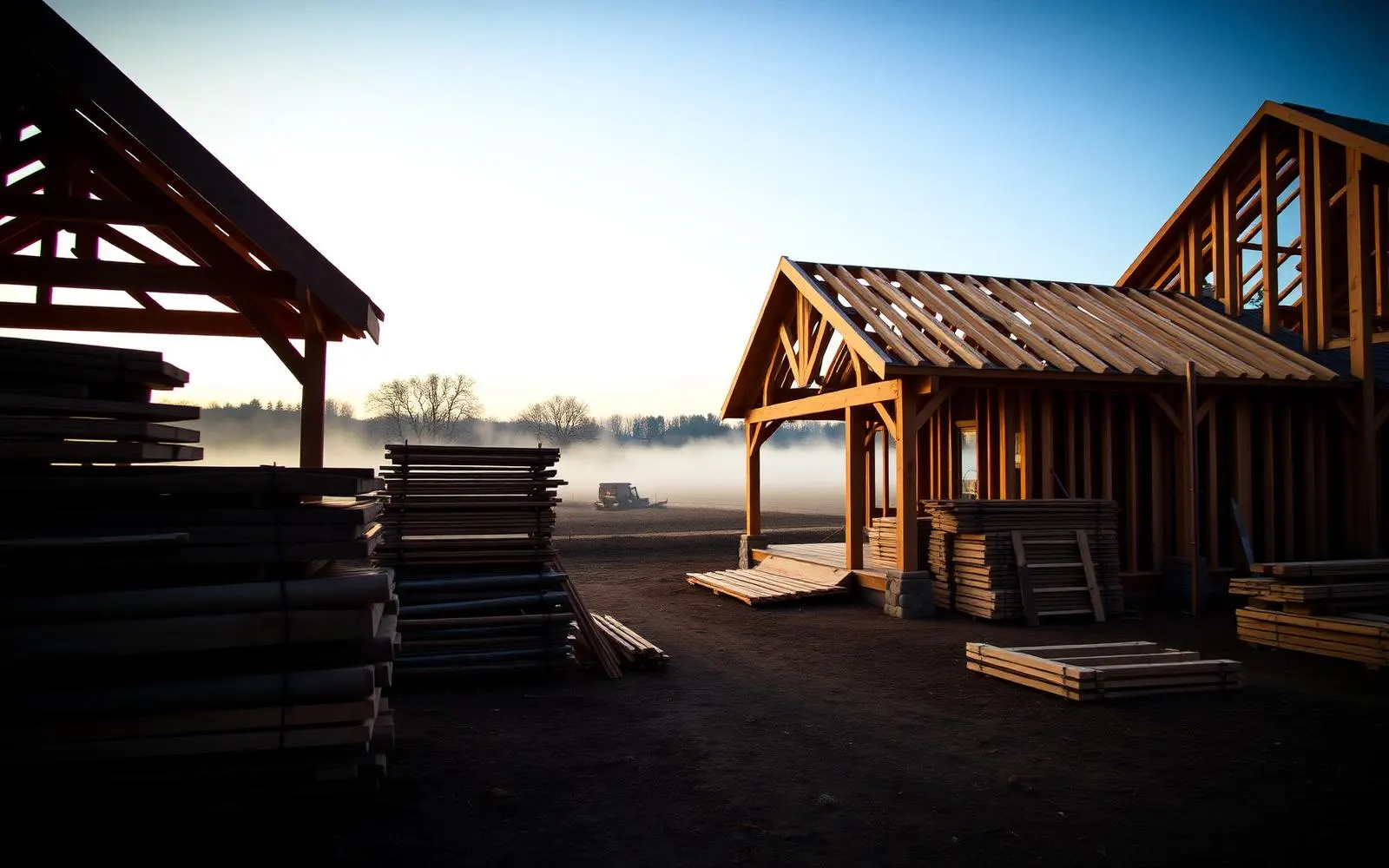
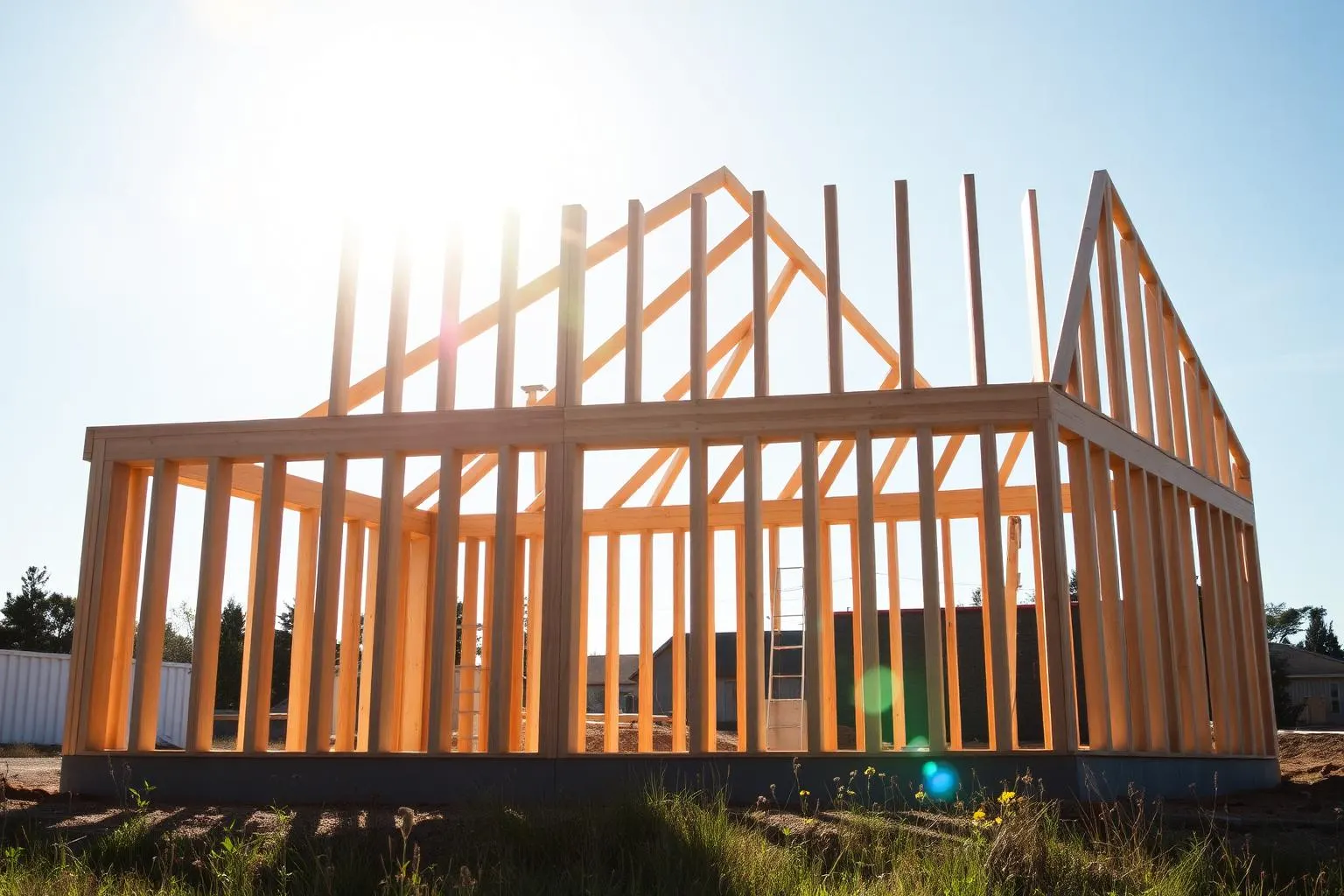
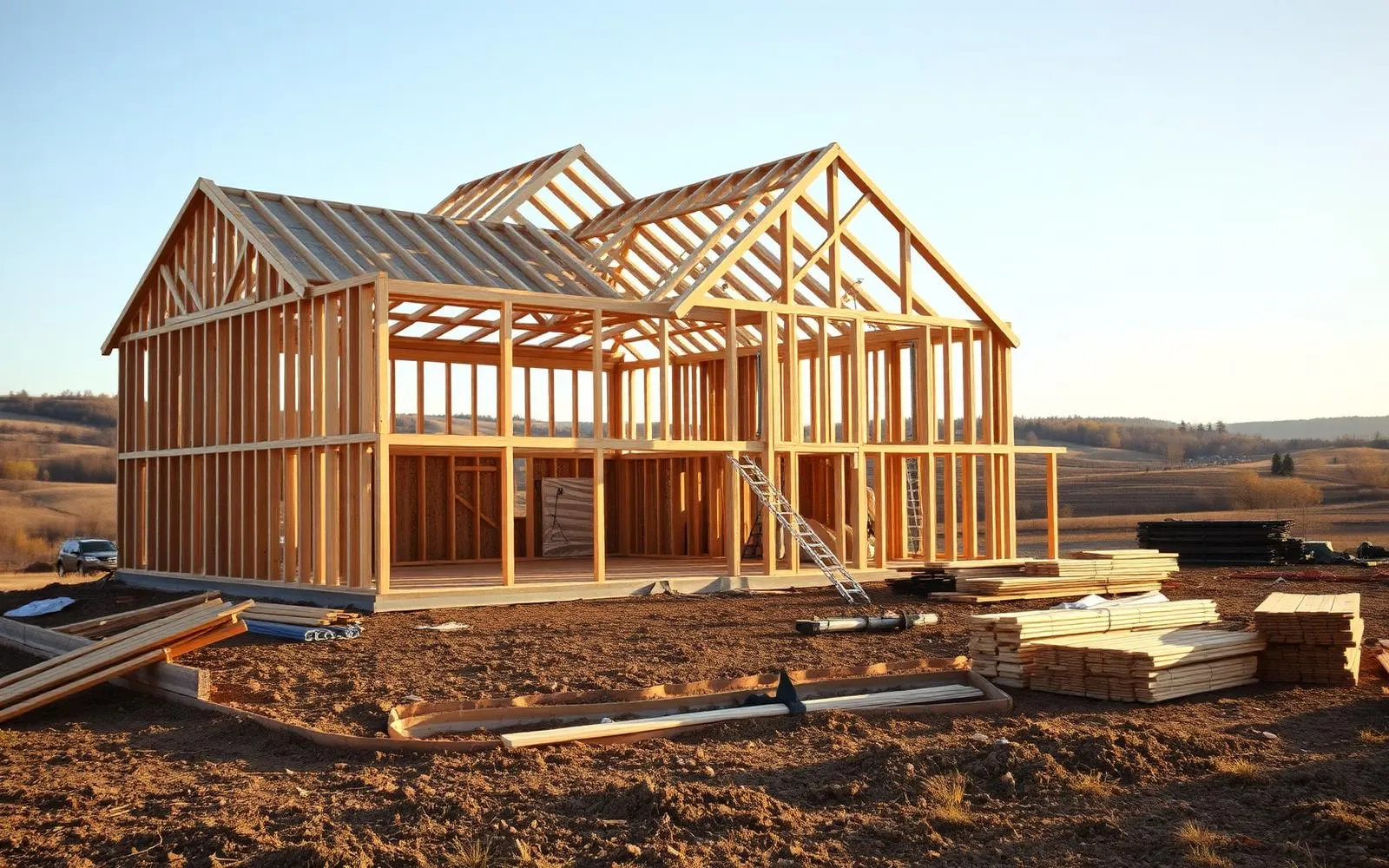
If you get the chance to visit during framing, don't just admire how big the rooms feel. Look at whether the load path makes sense, meaning posts stacked on posts, not a beam just resting on a header and hoping for the best. Ask what floor system they're using and whether it was chosen to meet code or to actually feel solid underfoot. Bounce on it. Two houses can both pass inspection and feel completely different ten years from now, and that difference is one most homeowners never get a name for.
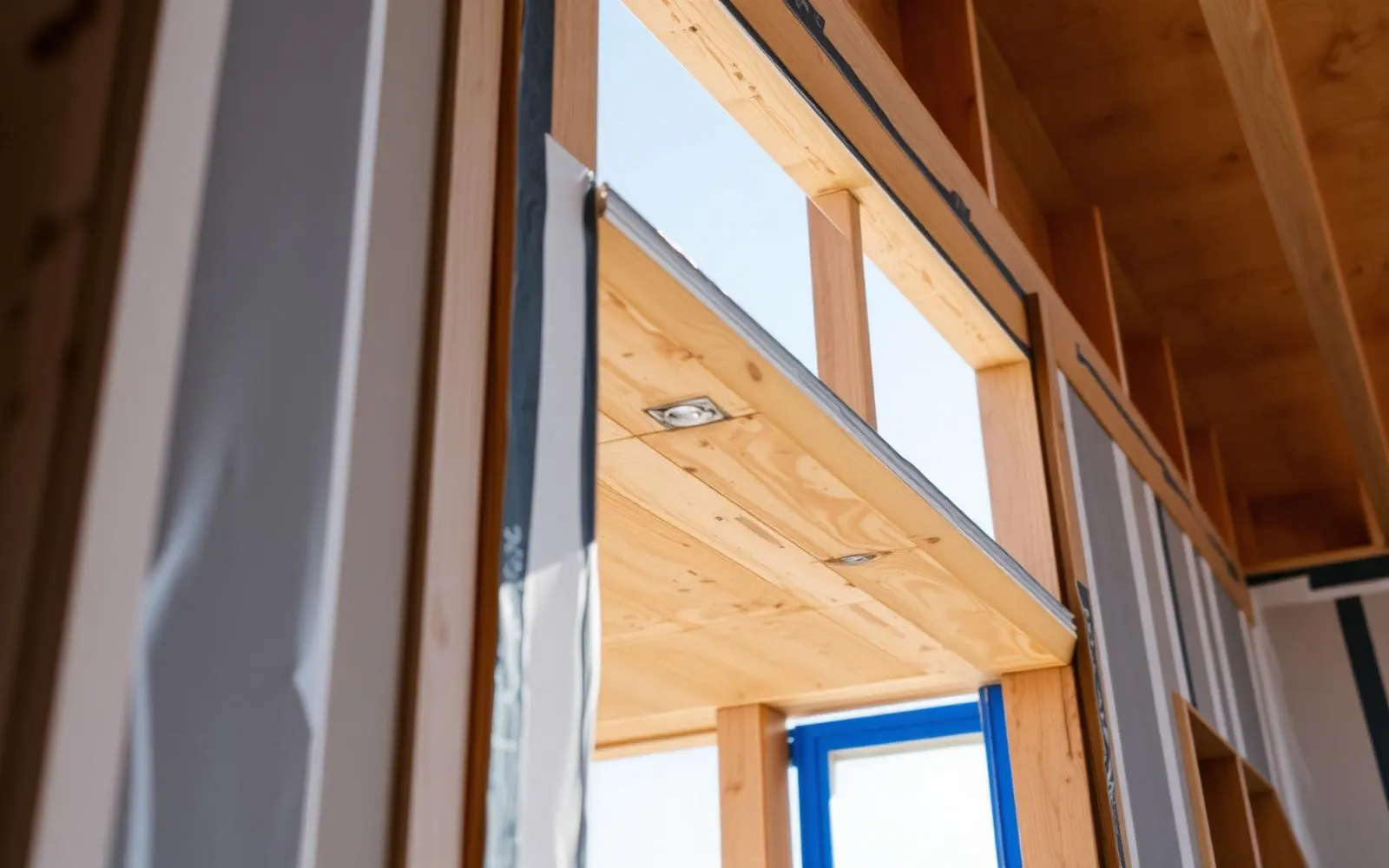
The exterior walls of your house are a layered system, cladding, a drainage gap, a water barrier, sheathing, insulation, and an air barrier, and what separates a dry house from a moldy one isn't the materials, it's the order they went in. Windows flashed before the housewrap goes over them. Roof underlayment run up the sidewall correctly. These are cheap details that are miserable and expensive to fix later. A crew that gets the sequence right almost always has a superintendent who's actually on site every day, not just showing up for milestones.
That's really the whole story: quality in construction is mostly sequence. Same materials, different order, completely different house.
A five minute test anyone can do
You don't need to know anything about construction to spot good work. When you walk a finished or nearly finished home:
- Open and close every door slowly. If it swings on its own, the jamb isn't plumb.
- Look at where two materials meet, tile to wood, cabinet to wall, trim to jamb. Sloppy transitions are where corners get cut.
- Peek in the mechanical room. Straight duct runs and labeled, supported pipes usually mean the trades were coordinated instead of fighting each other for space, which usually means fewer surprises inside your walls too.
The five questions to ask before you sign anything
- How did you decide where to place the house on this lot, and did you consider rotating it?
- Where does water go in a heavy rain, both surface water and roof runoff?
- Who's on site daily, and how are your trades sequenced?
- What's included in your base price that other builders in this range charge extra for?
- What do you do differently now than you did five years ago, and why?
That last question tells you more than any brochure. A builder who's changed something because of what they learned on a previous house is paying attention to the right things. That's most of what craftsmanship actually is.
The bottom line
You're going to spend a lot of time and energy choosing finishes, and that's exactly how it should be, this is your home. Just spend a little bit of that energy asking about grading, framing, and sequencing too. Those are the choices you won't get a second chance at, and the ones that decide whether this house is still standing strong, dry, and solid the day you hand the keys to someone else.
If you're financing this build and want to talk through how the construction timeline lines up with your loan, that's the kind of conversation I love having early, before you're locked into a plan that doesn't fit.
What to take from this
- Where the house sits on the lot is the one decision you cannot undo later.
- Ask where water goes in a heavy rain, both surface water and roof runoff.
- Sequencing, especially flashing order, matters more than brand names.
- Doors, material transitions and the mechanical room tell you the rest in five minutes.
Where to go next
The Journal is written for people thinking about homes, not just financing them. Articles are educational and reflect general observation about Pennsylvania housing, architecture, and daily life. Nothing here is an offer to lend, a commitment to a rate, or an appraisal of any particular property. Corie Adams, NMLS #1875205. Network Funding, LP, NMLS #2297. Equal Housing Opportunity.