“The Mediterranean answer to heat is not air conditioning. It is shade, mass, and cross ventilation.”
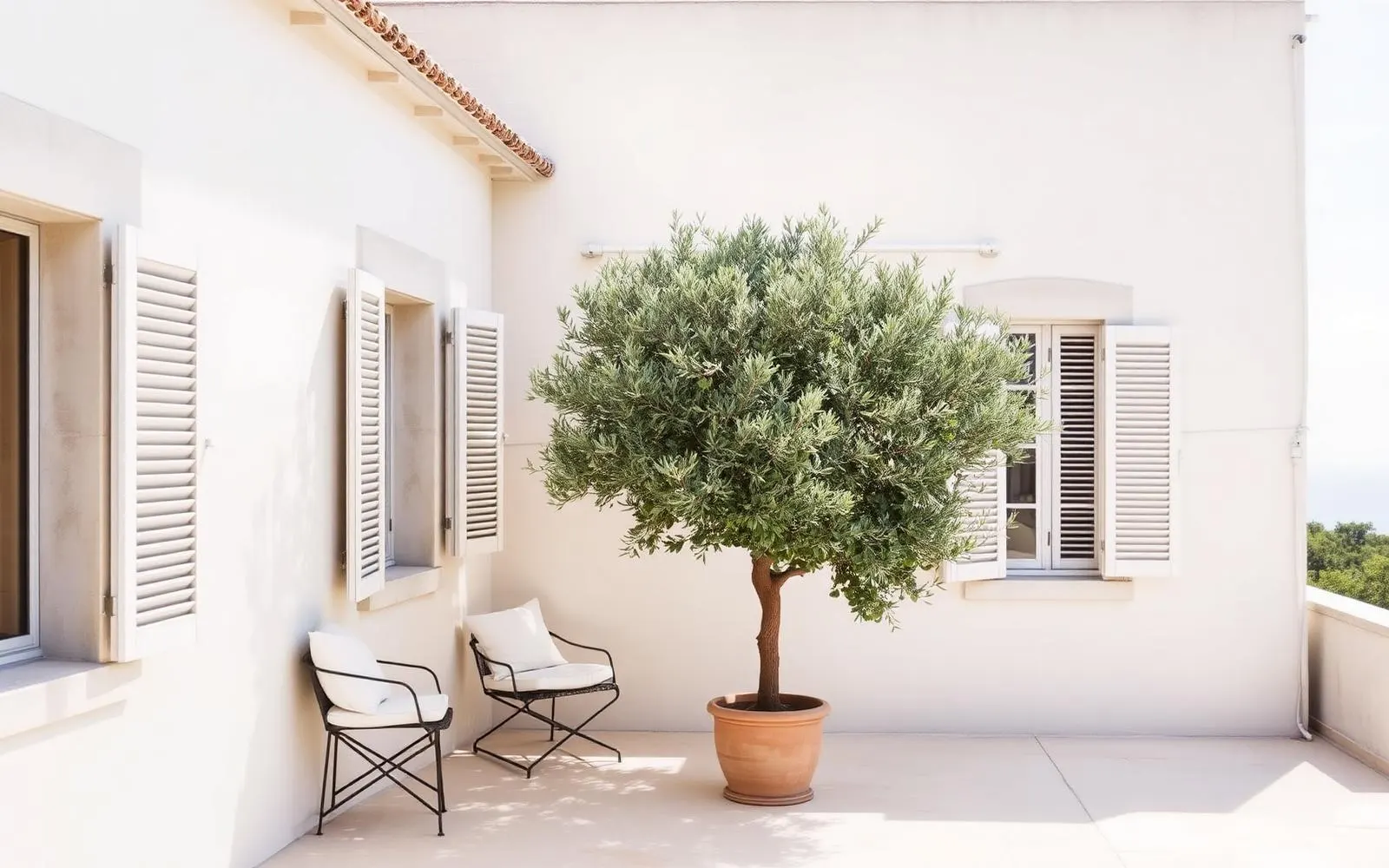
It was the middle of the afternoon in July, somewhere above the water between Nice and Villefranche, and the temperature was well into the nineties. The terrace was cool. Not cool in the sense of pleasant for southern France. Cool in the sense that you did not want to go back inside. There was a plane tree throwing broken shade across half of it, a pale stone floor that had not absorbed a degree of heat all day, a wall at your back that stayed cold to the touch until evening, and a breeze coming through because the house had been built to let one through.
There was no machine involved in any of that. Nothing was running. The whole system was shade, mass and air, arranged by people who had been solving the same problem in the same place for several hundred years and had stopped experimenting.
Pennsylvania in August is not the Riviera. Our humidity is heavier and our summers are shorter. But the physics is the same physics, and most new porches here are built as though it is not.
Shade first, everything else second
The single biggest difference between a terrace that gets used and a slab that does not is whether anything is between it and the two o'clock sun. In the south of France it is a deep overhang, a pergola with something growing on it, a tree left standing where a builder here would have taken it out for the equipment.
A west facing patio in Lancaster County with no cover is unusable from about one in the afternoon until nearly seven, which is precisely the stretch people imagined using it when they paid for it. Cover half of it and the hours come back. This is not an expensive fix if it is decided early. It is an expensive fix if it is decided after the concrete is poured.
Pale surfaces, and why the color of the floor matters
Mediterranean terraces are pale for a practical reason. Light stone reflects rather than stores. Dark pavers and black metal furniture absorb sun all afternoon and then radiate it back at you exactly when you sit down. Anyone who has put a hand on a dark composite deck board in August has run the experiment.
Choosing a lighter paver, a lighter deck stain, or lighter furniture is a comfort decision disguised as an aesthetic one. It also ages better in this climate, since pale stone hides pollen and does not show the chalky bloom that dark surfaces get after a few winters.
Mass, and the coolest wall in the house
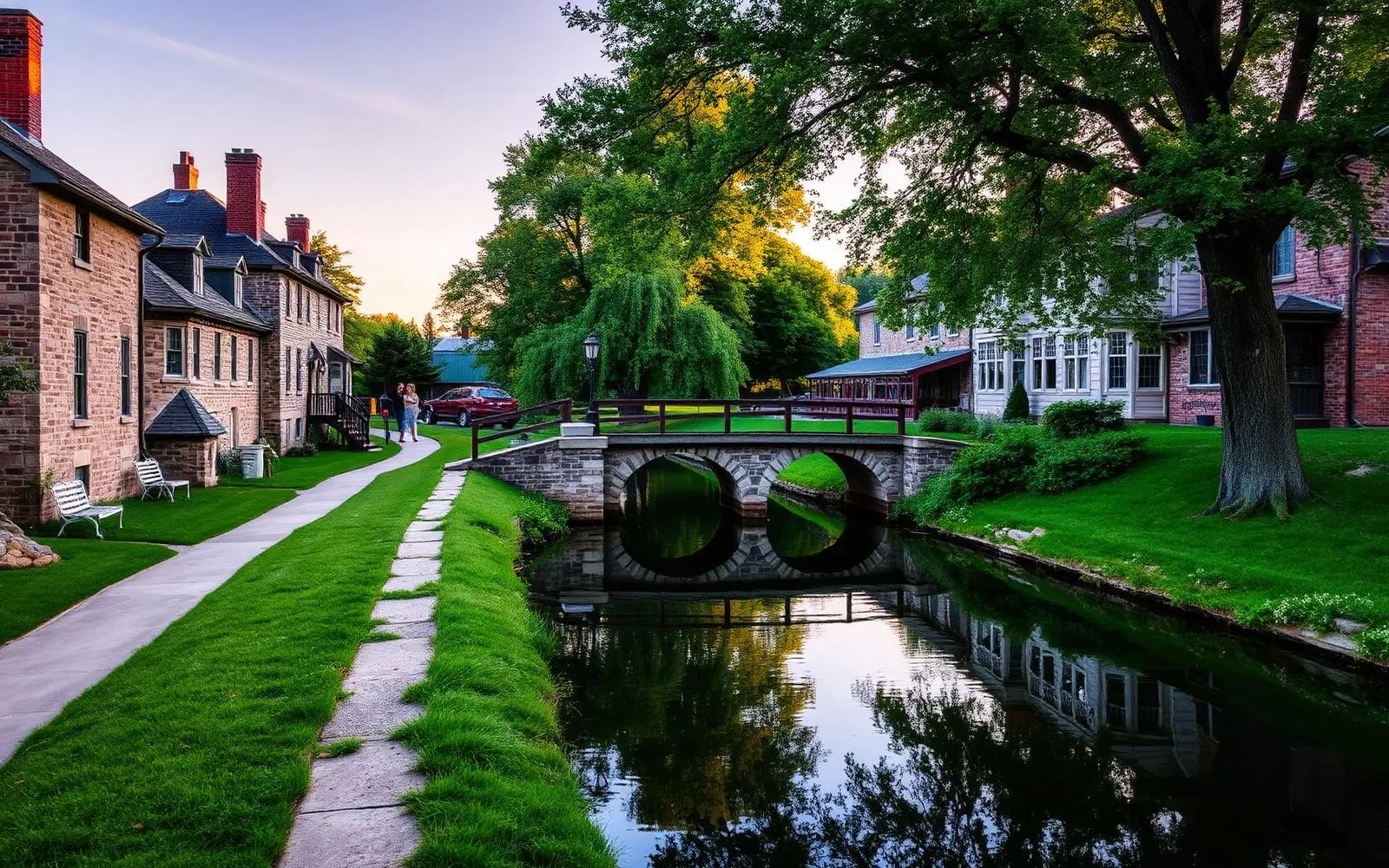
The old stone houses in Bucks and Lancaster Counties already understand this. A thick masonry wall takes most of the day to warm up and most of the night to release, which is why a stone farmhouse can feel ten degrees kinder than a frame house at four in the afternoon.
Nobody is going to build in eighteen inches of fieldstone now. But siting matters and is free. A terrace tucked against the north or east face of a house borrows that coolness. A terrace on the southwest corner fights the building all day.
One room, finished
The most useful habit to import has nothing to do with materials. It is the discipline of building one outdoor room properly instead of three partial ones.
The common Pennsylvania pattern is a deck off the kitchen, a patio at grade, and a fire pit area at the back of the lot. Three places, none of them shaded, none of them lit, none of them comfortable enough to keep anyone outside past dusk, and the money spread so thin that no single one of them got a roof.
The French version is one terrace with everything it needs. Shade over most of it. A surface that can be swept. A table big enough for the meal that actually happens there. One light source that is not a floodlight. Somewhere to set a glass down. It is not larger than what people here build. It is just consolidated.
The table is the whole point
Every good terrace in that part of the world is organized around a table that is slightly too big for the space, because meals happen out there four months of the year and nobody wanted to be the person eating with a plate on their knees.
Ours are usually organized around a grill and a set of deep seating chairs, which is a conversation arrangement, not a dinner arrangement. If the porch is going to be used for eating, and porches in this state get used mostly for eating, put the dining table in the shaded part and the seating in the leftover.
What to decide before it is poured
If you are building, all of this is a contract conversation rather than a selections conversation. Covered porch depth, roof structure, ceiling fan blocking, exterior outlets, a light on a switch inside the door, and the paver color are cheap while the plan is on paper and awkward afterward. Ask what the hardscape allowance covers before you fall for the elevation drawing, because the terrace in that drawing is usually not the terrace in the base price.
None of this is about making a Pennsylvania house look like it belongs above the Mediterranean. It should not. It is about the thing that terrace understood: that the outdoor room is not decoration, it is a room, and a room without shade in July is a room nobody sits in.
What to take from this
- Solve summer comfort with shade and pale surfaces before mechanical cooling.
- Build one finished outdoor room instead of three unfinished zones.
- Site the outdoor room for afternoon shade, not for the view.
- Price hardscape and covered porches during contract, not at selections.
The Journal is written for people thinking about homes, not just financing them. Articles are educational and reflect general observation about Pennsylvania housing, architecture, and daily life. Nothing here is an offer to lend, a commitment to a rate, or an appraisal of any particular property. Corie Adams, NMLS #1875205. Network Funding, LP, NMLS #2297. Equal Housing Opportunity.