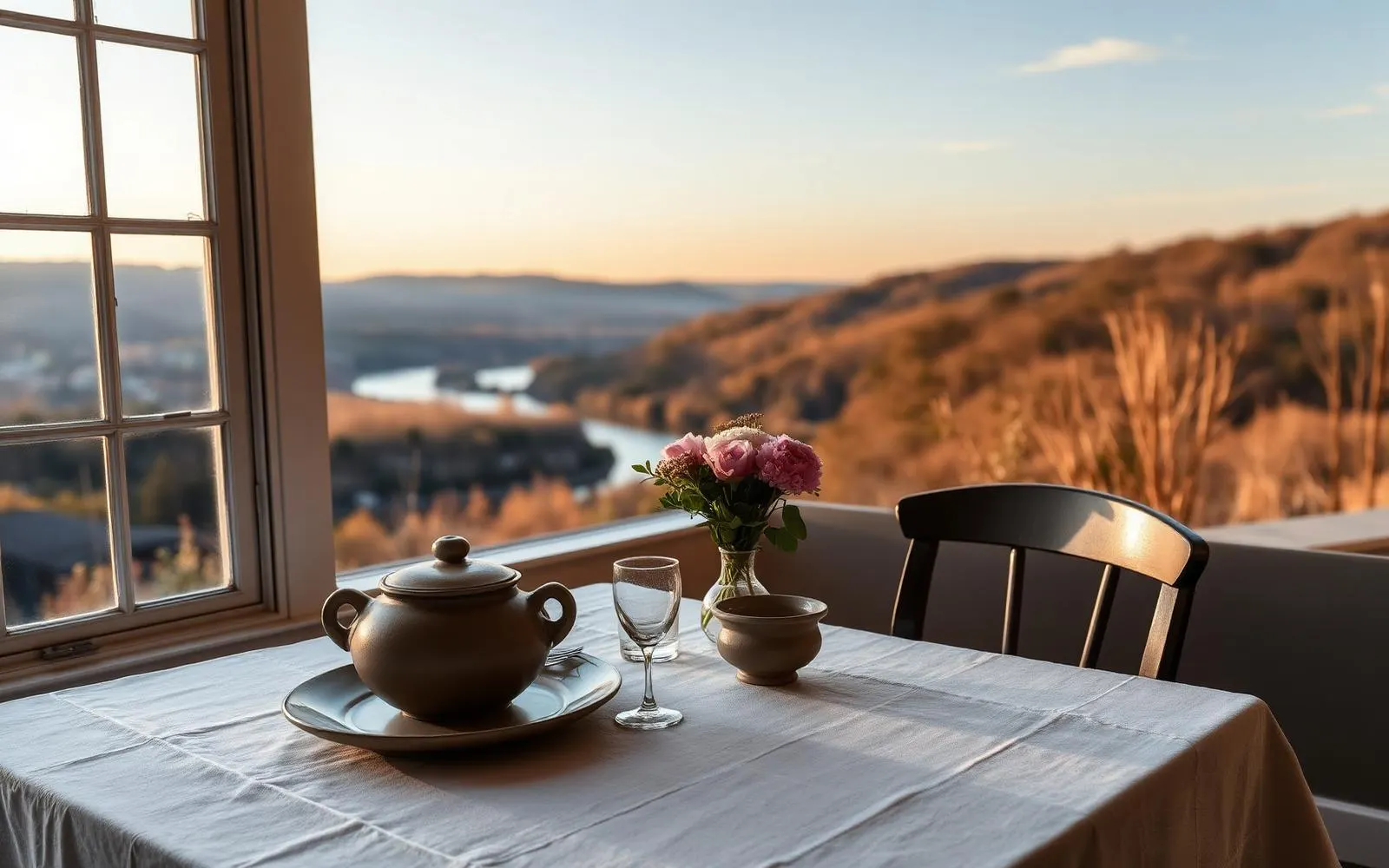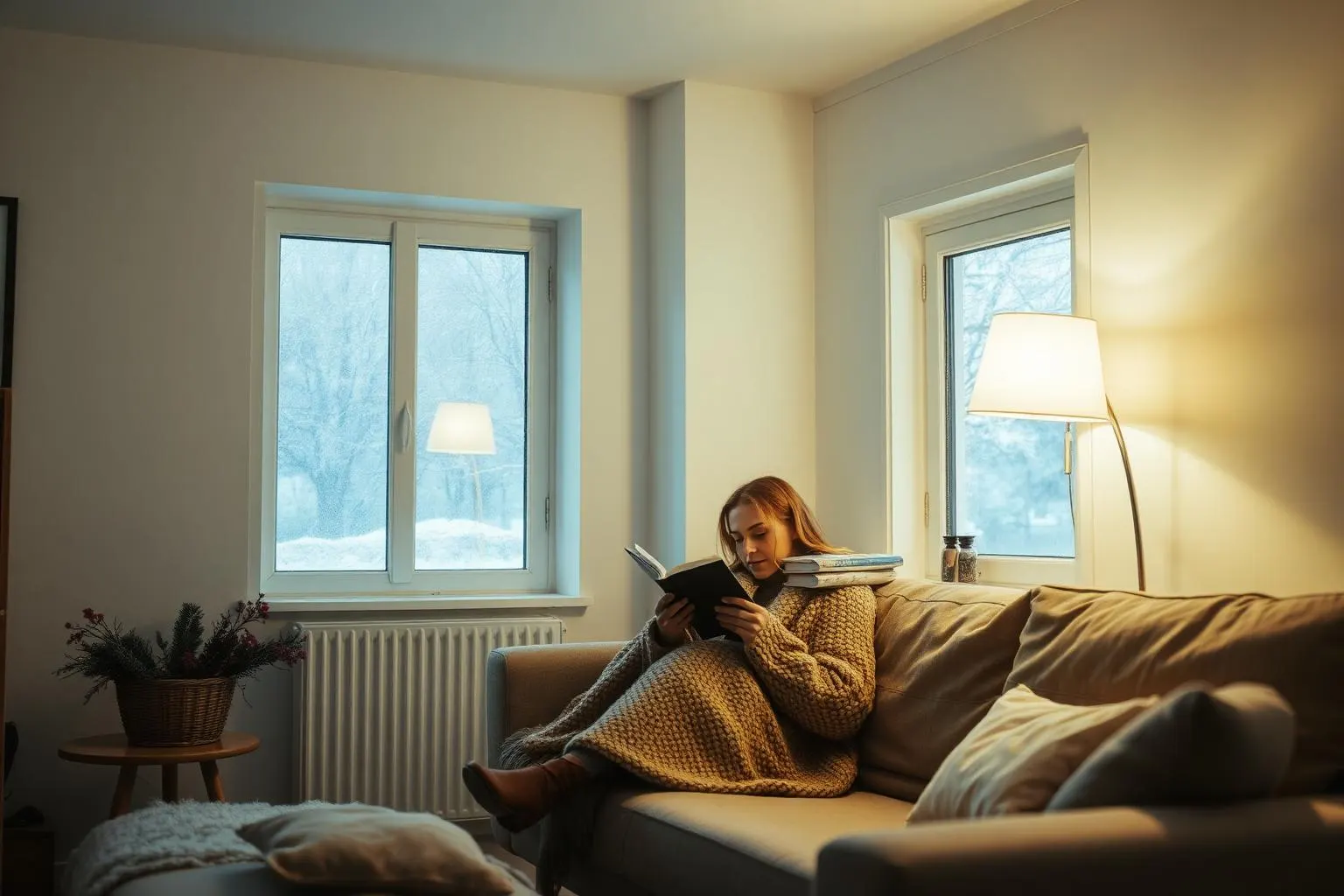
“A house you are stretched to hold is not a beautiful house. It is a beautiful photograph of a stressful life.”
There is a kitchen I keep coming back to in my head, and it is not an impressive one. Small, older cabinets, a window over the sink facing east. On a weekday morning the light comes in low and hits the side of a white cup, and whoever lives there has left a book open on the table because they intend to come back to it. That is the whole scene. It has appeared to me in Portland, in a rented place in Jackson, in a farmhouse outside Marietta. The room is different every time. The feeling is identical.
I have spent a long time trying to name what that feeling is, because it is the thing people are actually shopping for when they say they want a beautiful home, and it is almost never the thing the listing photos are selling.
It is not the finish level
I have stood in houses with everything. Stone, imported tile, cabinetry built by hand, a view that stops conversation. Some of them felt wonderful. Some of them felt like a hotel lobby where somebody had left a coat.
And I have been in modest houses, small ones, houses with laminate counters and a bathroom that badly needs a decade of attention, that felt more alive than anything I have seen in a magazine. The variable is not money. It is whether the people living there have made decisions on purpose.
Four things that keep turning up
Whatever the budget, the houses that feel good tend to have the same four qualities. Intentionality, meaning somebody decided rather than defaulted. Craftsmanship, meaning at least a few things were made well and are worth touching. A sense of place, meaning the house belongs to the ground and the region it sits on rather than to a catalog. And usefulness, meaning the rooms get used by the people who own them, on ordinary days, not just when company comes.
None of those four require an upgrade. Every one of them survives a tight budget. Three of them get harder, not easier, when the budget is large, because scale invites default choices.
The number nobody wants to talk about
Here is where my work touches this, and I would rather be direct than tasteful about it. The largest single threat to a beautiful life in a house is a payment that is a little too big.
Not a catastrophic payment. Those are rare, and people generally see them coming. I mean the payment that is fine on paper and quietly wrong in practice. The one that means the dining room stays empty for four years because there is nothing left to furnish it with. The one that turns a broken water heater into a bad month. The one that makes a Saturday feel like an accounting exercise.
Your pre-approval maximum is a ceiling. It was never a target, and it was never a compliment.
I approve people for numbers larger than I think they should spend all the time. That is what the underwriting says they can carry. It is not what I think they should carry, and those are two genuinely different questions. One is arithmetic. The other is about how you want your Tuesdays to feel.
Decide your number before you tour
The most useful thing I can tell a buyer is this: pick your comfortable monthly payment before you walk into a single house, and write it down somewhere you will see it. Not the maximum. The number that leaves room for a vacation, a repair, a slow month, and the furniture you will eventually want.
Do it early, because it is nearly impossible to do honestly after you have stood in a kitchen you love. Attachment is a powerful force and it is very good at arithmetic that flatters it.
What you are actually buying
People do not remember the countertop material. They remember that they had people over often, because the house was comfortable enough to invite them. They remember the corner where they read. They remember the light in the morning in that particular room in October.
Beautiful living is the practice of choosing deliberately, in a house you can afford to enjoy. The second half of that sentence is doing more work than the first. A house you are stretched to hold will keep its good bones and lose its good mornings, and the mornings were the point.
So: a small kitchen, east light, a white cup, an open book somebody means to return to. That is the standard. Most people can reach it. Many of them are talked out of it by a number on an approval letter.
What to take from this
- Intentionality, craftsmanship, and place matter more than size or finish level.
- A comfortable payment is a design decision.
- Your pre-approval maximum is a ceiling, not a target.
- Decide your own number before you tour houses.
Where to go next
The Journal is written for people thinking about homes, not just financing them. Articles are educational and reflect general observation about Pennsylvania housing, architecture, and daily life. Nothing here is an offer to lend, a commitment to a rate, or an appraisal of any particular property. Corie Adams, NMLS #1875205. Network Funding, LP, NMLS #2297. Equal Housing Opportunity.